
Trees
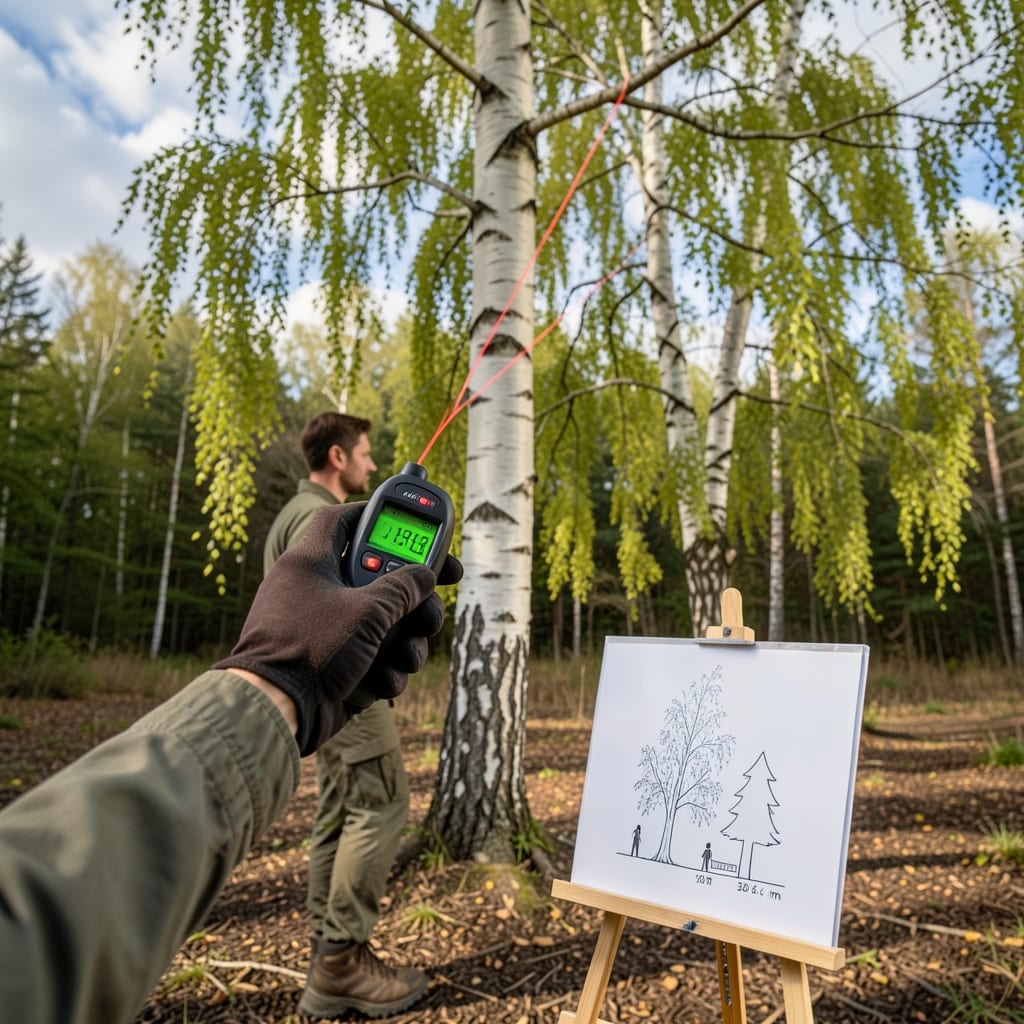
If you're dreaming of a towering birch tree in your backyard, you might be surprised by how tall can a birch tree grow—some species barely reach waist height while others soar over 100 feet! The right choice could transform your landscape into a serene woodland retreat or create privacy faster than you think.
Birch trees like the paper birch or river birch can grow 50-70 feet in ideal conditions, but dwarf varieties stay under 25 feet, making them perfect for smaller spaces. Understanding these differences isn't just about aesthetics—it's about selecting the perfect tree for your climate, soil, and sunlight.
In this guide, I'll break down the fastest-growing birch species and how to maximize their height without sacrificing health. Whether you're planning a quick privacy screen or a long-term investment, these insights will help you make the best choice for your garden.
From pruning tips to soil prep, you'll discover exactly what it takes to grow a birch tree that matches your vision—without the guesswork. Let's get started!

Mature height limits of popular birch tree species compared
Birch trees offer stunning variety in height, from delicate dwarf varieties to towering giants that dominate the landscape. The paper birch and yellow birch often reach 50-70 feet at maturity, while dwarf birch species stay compact at 15-25 feet. These differences aren't just about space—they reflect growth habits shaped by climate, soil, and sunlight.
Choosing the right species depends on your goals: river birch grows rapidly for privacy, while gray birch thrives in rocky soils. Let's compare their mature heights and ideal conditions to help you select the perfect fit for your garden.
🌳
| Species | Mature Height | Growth Rate | Ideal Climate | Best For |
|---|---|---|---|---|
| Paper Birch | 50-70 ft | Moderate (1-2 ft/year) | Cold climates (Zones 2-6) | Landscape focal points |
| Yellow Birch | 60-80 ft | Slow (6-12 in/year) | Temperate (Zones 3-7) | Woodland gardens |
| River Birch | 40-60 ft | Fast (2-3 ft/year) | Wet soils (Zones 4-9) | Privacy screens |
| Dwarf Birch | 15-25 ft | Slow (3-6 in/year) | Containers (Zones 3-8) | Small gardens |
| Gray Birch | 30-40 ft | Moderate (1-2 ft/year) | Dry soils (Zones 2-7) | Rock gardens |
The paper birch and yellow birch are classic choices for large properties, often reaching heights that rival mature oaks. Their slow-to-moderate growth rates mean patience is key—expect 10-20 years to reach full height. In contrast, river birch delivers quick results, making it ideal for privacy solutions.
For smaller spaces, dwarf birch varieties like Betula pendula 'Fastigiata' stay under 20 feet while maintaining the elegant peeling bark. Their compact size doesn't mean sacrificing beauty—these trees create stunning focal points in even the tightest yards.
🌿
One common misconception is that all birch trees grow equally tall. In reality, soil moisture and sunlight exposure play huge roles. For example, river birch thrives in wet soils where other species might struggle, while gray birch adapts to rocky, poor soils that stunt many trees.
When selecting a birch tree, consider your USDA hardiness zone and available space. A paper birch planted in Zone 5 might reach 60 feet, while the same species in Zone 7 could max out at 40 feet due to warmer winters. Always check local climate data before committing to a species.
🪴
Proper spacing is critical for tall birch species. Plant paper birch at least 30 feet from structures and other trees to prevent root competition. Dwarf varieties need only 10-15 feet of clearance, making them perfect for urban gardens where space is limited.
Understanding these height variations helps you avoid costly mistakes. A 70-foot birch planted too close to your house could damage foundations or block sunlight for decades. Always measure your space carefully before selecting a species.
Fastest-growing birch trees for quick shade and privacy solutions
If you're looking for fast shade or privacy in your landscape, some birch species grow at an impressive 2-3 feet per year under ideal conditions. The river birch and gray birch are standout performers, offering both speed and beauty. These trees aren’t just fast—they’re also adaptable, thriving in various climates while providing that iconic birch charm.
For quick privacy solutions, the river birch is a top pick, reaching 40-50 feet in 10-15 years with proper care. Its peeling bark adds visual interest, while its drought-tolerant roots make it low-maintenance. Meanwhile, the gray birch grows slightly slower but still delivers 30-40 feet in a decade, perfect for smaller yards.
Here’s what sets these species apart in terms of growth speed and adaptability:
- 🌳 River Birch: Grows 2-3 ft/year in ideal conditions, reaching 50+ ft in 15 years. Thrives in wet or moist soils, making it great for low-lying areas or near ponds.
- 🌳 Gray Birch: Hits 30-40 ft in 10 years with 1-2 ft annual growth. Prefers well-draining soil and tolerates dry conditions, ideal for rocky or sandy landscapes.
- 🌳 Yellow Birch: Slower at 1-2 ft/year but reaches 60-70 ft over 20+ years. Loves rich, moist soil and partial shade, perfect for woodland edges or shaded yards.
- 🌳 Paper Birch: Grows 1.5-2.5 ft/year, hitting 50-60 ft in 15-20 years. Prefers cool climates and well-drained soil, with stunning white bark that peels dramatically.
- 🌳 Dwarf Varieties (e.g., 'Fastigiata'): Stay under 25 ft but grow 1-1.5 ft/year. Ideal for small spaces or container planting, offering compact height with fast establishment.
To maximize growth speed, focus on soil moisture and sunlight exposure. River birches, for example, love full sun to partial shade and consistent moisture—especially in their first few years. Mulching around the base helps retain water and nutrients, while annual pruning encourages upward growth rather than bushiness.
For urban or suburban gardens, the gray birch is a winner due to its drought tolerance and fast establishment. It’s also more resistant to pests like bronze birch borers, which can plague other species. If you’re in a cooler climate, the paper birch offers both speed and stunning bark for year-round interest.
Remember, even the fastest-growing birch trees need patience and proper care. Plant in early spring, water deeply during dry spells, and avoid heavy fertilization, which can stunt growth. With the right species and conditions, you’ll have your privacy screen or shade tree in no time—without waiting decades! 🌿