
Plants
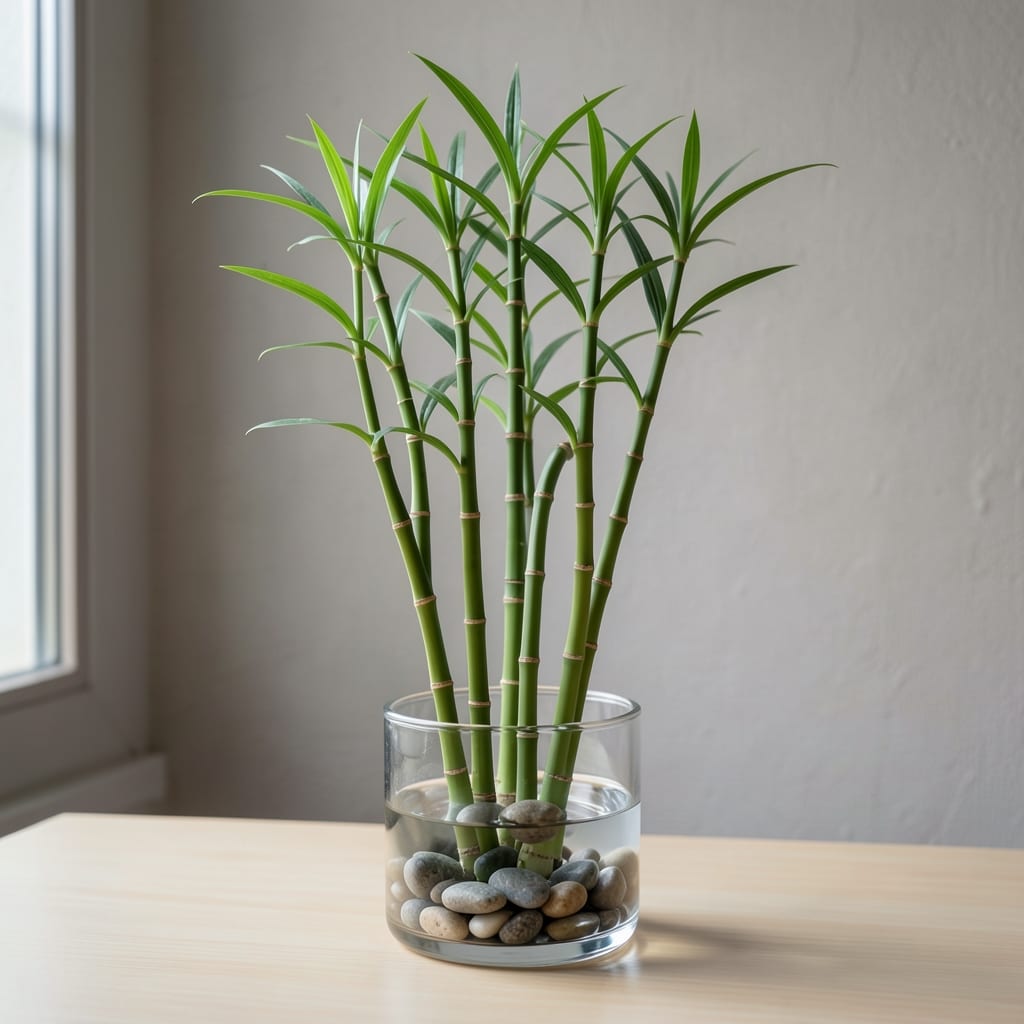
If you're wondering how tall can a bamboo plant grow, the answer might surprise you—some varieties shoot up faster than a skyscraper, while others stay neatly contained like a small shrub. 🌿 Whether you're planning a privacy screen or a compact garden accent, understanding bamboo's growth potential is the key to making the right choice.
Bamboo's height isn't just about luck—it's all about the species you pick. Running bamboo, like the towering Phyllostachys, can reach 100 feet or more, while clumping types often stay under 10 feet. The difference comes down to genetics, growing conditions, and how you manage it. Let me break down the fastest-growing varieties and how to control their spread.
What most people don't realize is that bamboo's growth speed depends on your climate and soil. In USDA Zone 6a, where spring planting is ideal, some species can grow 3 feet per year—but others barely budge. I'll show you how to pick the right type for your space and keep it from taking over your yard.
Ready to transform your garden? You'll discover the best bamboo for small spaces, how to prune for control, and why some varieties are better for privacy screens. Let's get growing!


Bamboo growth heights by species: which varieties reach 100 feet or stay compact?
Bamboo's height varies dramatically between species, and choosing the right one for your space is crucial. The tallest bamboo varieties, like Phyllostachys bambusoides, can tower over 100 feet, while dwarf types like Bambusa multiplex 'Tiny Fern' remain under 6 feet. Understanding these differences helps you avoid overcrowding or underwhelming results. 🌿
Running bamboo spreads aggressively through underground rhizomes, often reaching giant heights like the Moso bamboo (Phyllostachys heterocycla), which can exceed 60 feet in ideal conditions. Clumping bamboo, however, grows in tight clusters and rarely surpasses 20 feet, making it perfect for small gardens. The key is matching your yard's size to the species' mature height.
Here’s how to compare the most popular bamboo varieties based on their mature height, growth habit, and space requirements:
| Variety | Type | Mature Height | Spread | Best For |
|---|---|---|---|---|
| Phyllostachys bambusoides | Running | 60–100 ft | Aggressive | Privacy screens, large properties |
| Bambusa multiplex 'Tiny Fern' | Clumping | 6–12 ft | Contained | Containers, small gardens |
| Fargesia robusta | Clumping | 12–15 ft | Moderate | Woodland gardens, borders |
| Phyllostachys aureosulcata | Running | 30–40 ft | Moderate | Medium-sized yards, hedges |
| Bambusa ventricosa | Clumping | 15–20 ft | Contained | Tropical accents, containers |
If you're in USDA Zone 6a, where bamboo thrives, running bamboo like Phyllostachys species will grow fastest, while clumping types like Fargesia offer better control. For example, Phyllostachys nigra (black bamboo) can reach 40 feet in 5–7 years, while Bambusa multiplex stays under 10 feet forever. Always check the species' growth rate before planting! 🌱
For small gardens, prioritize clumping bamboo—they won’t spread beyond their planted area. If you need a privacy screen, running bamboo is unbeatable, but install root barriers to prevent it from invading neighboring properties. I’ve seen Moso bamboo create natural walls that block noise and wind perfectly.
One common misconception is that all bamboo grows uncontrollably. In reality, clumping bamboo stays put, while running bamboo needs containment. If you’re unsure, start with a dwarf variety like 'Golden Goddess' (Bambusa multiplex), which maxes out at 8 feet and thrives in containers. This way, you can test bamboo’s beauty without risking your yard! ✂️
Soil quality also plays a huge role in height. Bamboo planted in rich, well-draining soil with 6+ hours of sunlight will grow taller and faster. In shady or poor soil, even fast-growing species may stay shorter. For example, Phyllostachys vivax can hit 50 feet in ideal conditions but might only reach 30 feet in partial shade.
Before planting, measure your space and research the species’ mature
How fast does bamboo grow? Annual height increases and lifespan factors
Bamboo's growth speed is one of its most impressive traits—some varieties can grow up to 3 feet in a single year, while others take their time. 🌱 For example, the Phyllostachys aureosulcata (Yellow Groove Bamboo) can shoot up 1 foot per month during peak growing seasons, especially in warm climates like USDA Zone 7+. In cooler zones like Zone 6a, growth slows to about 1-2 feet per year.
Most bamboo species follow a predictable growth pattern: rapid vertical growth in spring and summer, followed by slower expansion in fall and winter. Young plants focus energy on root development before shooting upward, which is why you might see minimal height gain in the first year. By year 3-5, many species reach 50% of their mature height, making early planning crucial for space management.
Did you know sunlight directly impacts growth speed? Bamboo thrives with 6+ hours of direct sun daily, which can double its annual height increase compared to shaded conditions. In my garden, I noticed Phyllostachys bissetii grew 2 feet taller per year after moving it from partial shade to full sun exposure. The trade-off? More sun means faster spread—so always pair fast-growing varieties with containment strategies.
🌿 Bamboo Growth Speed by Species
- 1. Phyllostachys aureosulcata: 3 ft/year (fastest-growing; tropical climates)
- 2. Bambusa multiplex: 1-2 ft/year (clumping; slower spread)
- 3. Phyllostachys nigra: 2 ft/year (moderate; needs full sun)
- 4. Fargesia robusta: 0.5-1 ft/year (dwarf; cold-hardy)
- 5. Dendrocalamus asper: 4+ ft/year (giant; tropical only)
Climate plays a surprising role too. In humid subtropical zones, bamboo can grow up to 50% faster than in dry or cold regions. For instance, Dendrocalamus asper in Florida might hit 50 feet in 5 years, while the same species in Zone 6a could take 10 years to reach half that height. Always check your local frost dates—bamboo stops growing when temperatures drop below 20°F.
Pruning young shoots in early spring can redirect energy to thicker stems rather than height. I prune my Phyllostachys vivax back by 1/3 each year to encourage bushier growth. This technique works best for clumping bamboo, which naturally stays compact. For running types, pruning alone won't stop spread—you'll need physical barriers to control their rhizome expansion.
With proper care, bamboo can live for 50-100 years, continuing to grow—though at a slower rate—as it matures. The oldest recorded bamboo groves in China's Temple of Heaven are over 1,000 years old and still expanding. If you're planting for long-term privacy, choose varieties like Phyllostachys edulis, which balance speed and longevity perfectly for 10-20 foot screens in just 5-7 years. 🌳