
How To
The perfect water-to-vase ratio for orchids: science-backed measurements
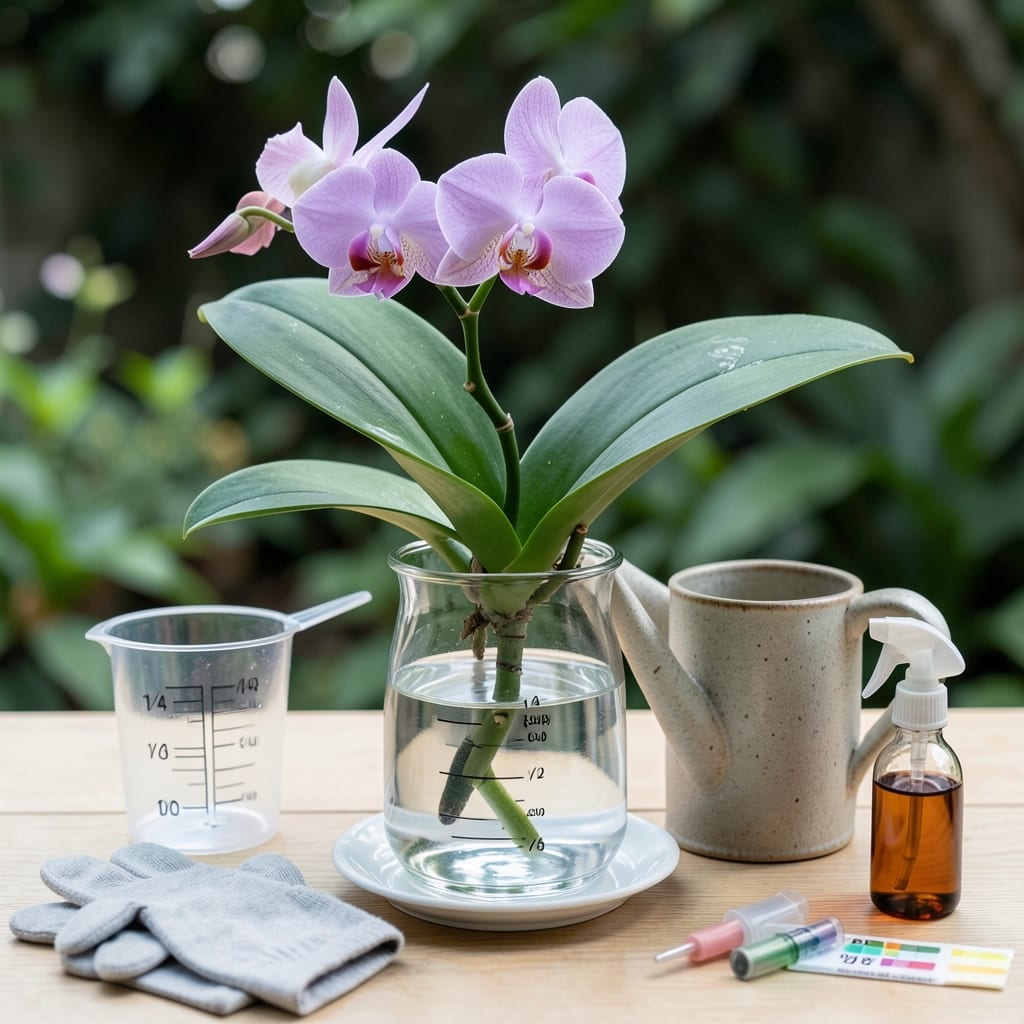
Orchids thrive when their roots receive just the right amount of moisture—not too much, not too little. The water-to-vase ratio depends on your orchid type, vase size, and even the season. For most Phalaenopsis orchids (the most common type), a 1/4 to 1/2 cup of water is ideal for a standard 6-inch vase. This ensures the roots absorb moisture without sitting in stagnant water, which can rot them in 24-48 hours.
Smaller orchids, like Dendrobium varieties, only need 1-2 tablespoons in a 4-inch vase. Larger Cattleya orchids, however, may require up to 3/4 cup for a 10-inch vase. Always check the root color: healthy roots are silvery-green, while dark or mushy roots signal overwatering.
Here’s the key: orchid roots need oxygen as much as water. Pouring water directly into the vase creates a temporary reservoir, but roots should only stay submerged for 10-15 minutes max. After that, drain any excess water to prevent root suffocation. Think of it like giving your orchid a quick bath—not a soak.
| Orchid Type | Vase Size | Water Amount | Frequency | Notes |
|---|---|---|---|---|
| Phalaenopsis | 6-inch vase | 1/4 to 1/2 cup (60-120ml) | Every 7-10 days | Most common type; prefers slightly moist roots |
| Dendrobium | 4-inch vase | 1-2 tablespoons (15-30ml) | Every 5-7 days | Drought-tolerant; reduce water in winter |
| Cattleya | 10-inch vase | 3/4 cup (180ml) | Every 5-7 days | Larger roots need more moisture; avoid tap water |
| Paphiopedilum | 5-inch vase | 1/3 cup (80ml) | Every 10-14 days | Slipper orchids; keep soil evenly moist |
The material of your vase also matters. Glass or ceramic vases are great for monitoring water levels, but plastic can trap heat and encourage bacterial growth. If using a decorative vase without drainage, opt for pebble trays to catch excess water. This two-step system mimics their natural epiphytic habitat, where roots cling to trees and absorb moisture from the air.
Never use tap water straight from the faucet—chlorine and fluoride can burn orchid roots. Let water sit for 24 hours to evaporate chemicals, or use filtered or distilled water. Room-temperature water is best; cold water shocks the roots and can stunt growth. Pro tip: Add a drop of bleach (1/8 tsp per gallon) to your water monthly to prevent algae buildup in the vase.
Watch for visual cues to adjust your watering. Wrinkled leaves or a drooping stem mean your orchid is thirsty, while yellowing leaves or a sour smell from the vase signals overwatering. Aim for a balance where the potting mix feels slightly damp but not soggy—like a wrung-out sponge. This consistency keeps your orchid blooming for 6-8 weeks or longer.
Seasonal adjustments are critical. In summer months, when humidity drops and air conditioners dry out the air, increase watering by 20-30%. Conversely, in winter, reduce frequency to every 2-3 weeks as orchids enter dormancy. A hygrometer (humidity gauge) can help fine-tune your approach—ideal humidity is 40-70%.
Remember, orchids are not thirsty plants like succulents. They rely on intermittent moisture and excellent airflow. By mastering the water-to-vase ratio, you’ll extend your orchid’s vase life from weeks to months, ensuring those show-stopping blooms last all season.
The perfect water-to-vase ratio for orchids: science-backed measurements
Orchids thrive on precision—especially when it comes to water. Unlike thirsty succulents, orchids need just enough moisture to keep their roots hydrated without drowning them. The ideal water-to-vase ratio depends on your orchid type, vase size, and even the season. For most Phalaenopsis orchids (the most common type), aim for 1/4 to 1/2 cup of water per vase filling, but never let roots sit in standing water longer than 10-15 minutes.
Cattleya orchids, on the other hand, prefer slightly less water—about 1/3 cup per vase—since their roots are more sensitive to rot. Always use room-temperature, filtered water to avoid shocking the roots with temperature swings or chlorine. Tap water left out for 24 hours helps remove harmful chemicals too.
| Orchid Type | Vase Size Guide | Water Amount | Frequency |
|---|---|---|---|
| Phalaenopsis (Moth Orchid) | Small (6-8") | 1/4 cup (60ml) | Every 7-10 days |
| Cattleya (Cattleya Orchid) | Medium (8-10") | 1/3 cup (80ml) | Every 10-14 days |
| Dendrobium (Spike Orchid) | Large (10"+) | 1/2 cup (120ml) | Every 5-7 days (summer) |
| Paphiopedilum (Lady's Slipper) | Small-Medium (6-9") | 1/4 cup (60ml) | Every 10-12 days |
Note: Always empty vase after 15-20 minutes to prevent root rot.
When pouring water into your vase, fill it only halfway up the roots. This ensures the roots get enough hydration without becoming waterlogged. For example, if your orchid has 6-inch roots, fill the vase to about 3 inches deep. After 15 minutes, gently tip the vase to drain excess water—this mimics their natural epiphytic habitat where roots dry out between rain showers.
Pro tip: Use a clear glass vase to monitor water levels and root health. Healthy roots should be green or silvery-gray, while mushy or black roots signal rot. If you notice yellowing leaves, it’s often a sign of overwatering, while wrinkled leaves mean your orchid is thirsty.
Seasonal adjustments are key! During winter months, reduce water by 30-50% since orchids enter a semi-dormant state. In summer heat, increase frequency but never let the roots dry out completely. A simple finger test works: Stick your finger 1 inch into the potting mix—if it feels dry, it’s time to water.
Remember, orchids are not tropical rainforest plants—they prefer brief hydration followed by airflow. With the right water-to-vase ratio, your orchid can bloom for 8-12 weeks, turning your vase into a stunning centerpiece.