
Light Requirements
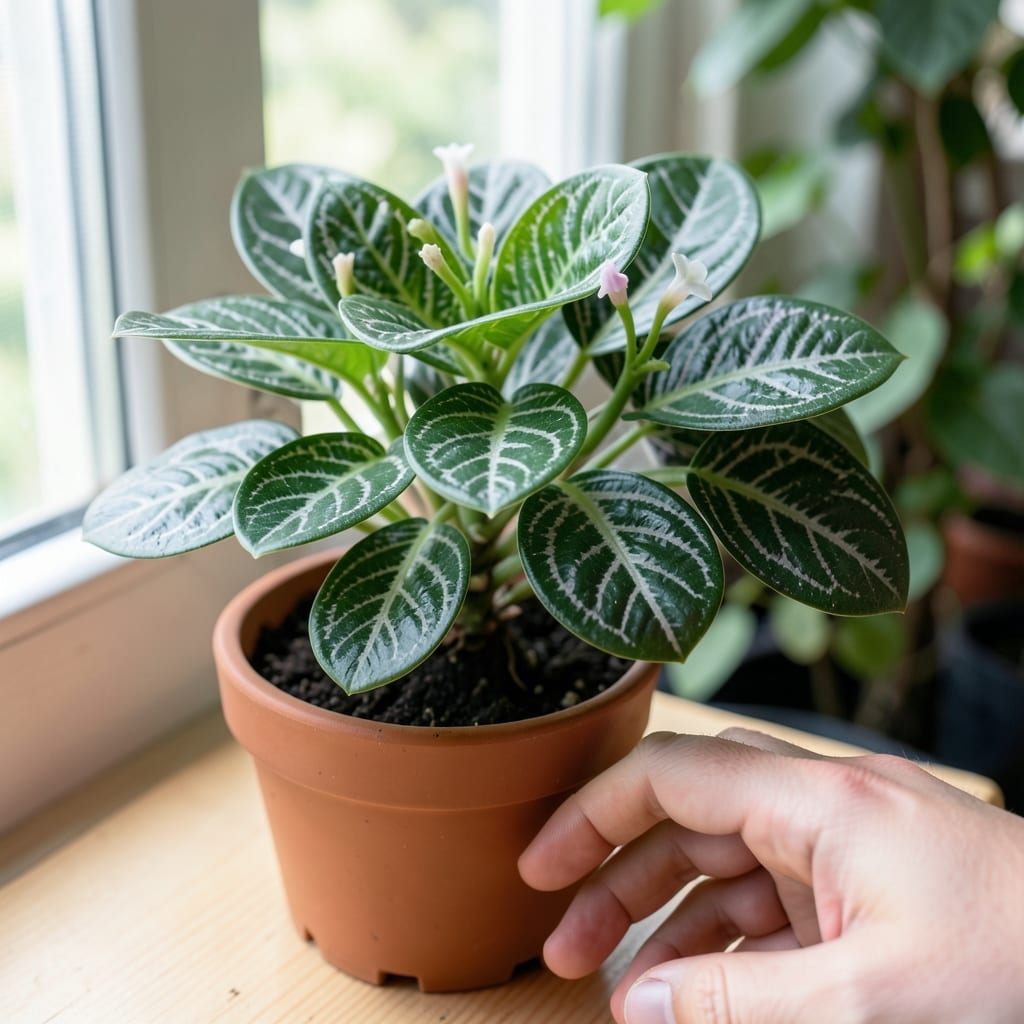
If your prayer plant 🌿 is looking tired or stretched out, you might be getting the lighting all wrong. The key to keeping those striking leaves vibrant isn’t about blasting it with sunlight—it’s about recreating its natural understory habitat indoors.
Prayer plants thrive in bright indirect light, mimicking the dappled sunlight they’d get on a forest floor. Too little light, and they’ll grow leggy and pale; too much, and those beautiful leaves will crisp up like toast. The good news? With a few simple adjustments, you can transform your plant’s health in just a few weeks.
In this guide, I’ll show you exactly how to spot the perfect light conditions for your prayer plant, from ideal window placements to troubleshooting common lighting mistakes. Whether you’re dealing with a sad, stretched-out plant or worried about leaf scorch, you’ll learn how to create the ideal environment for lush, upright foliage.
Ready to bring back your prayer plant’s natural beauty? Let’s dive into the secrets of bright indirect sunlight and how to give your plant exactly what it needs to flourish.

Ideal light requirements for prayer plants: bright indirect sunlight explained
Prayer plants (Maranta leuconeura) thrive in bright indirect sunlight, mimicking their natural habitat under the forest canopy. Unlike sun-loving plants, they can't handle harsh direct rays, which can cause leaf scorch and brown edges. The key is replicating dappled sunlight—think of a spot where sunlight filters through sheer curtains or a leafy tree canopy.
In their native tropical environments, prayer plants grow under 40-60% shade, receiving gentle light that never becomes intense. Indoors, this translates to placing them 3-6 feet away from an east or west-facing window, where morning or late afternoon sun is softer than the harsh midday rays from south-facing windows.
If your home lacks natural light, grow lights are a game-changer. Use LED grow lights (full-spectrum or warm white) placed 6-8 inches above the plant for 10-12 hours per day. Avoid cool white lights, which can stress the plant by emitting too much blue spectrum.
Here’s a quick breakdown of what your prayer plant needs to stay happy and vibrant:
| Light Type | Intensity Level | Daily Duration | Signs of Correct Lighting | Signs of Over/Under Exposure |
|---|---|---|---|---|
| Natural Indirect | Medium (40-60%) | 6-8 hours | Deep green leaves, compact growth, upright leaves | Leggy stems (too little), brown crispy edges (too much) |
| Artificial Grow Lights | Medium (5000-6500K) | 10-12 hours | Bright foliage, slow steady growth, no stretching | Yellowing leaves (too intense), slow growth (too weak) |
| Dappled Sunlight | Low-Medium (30-50%) | 4-6 hours | Rich patterns, healthy variegation, no stress marks | Pale leaves (too dim), bleached spots (too bright) |
For east-facing windows, your prayer plant will bask in gentle morning sunlight for 4-6 hours, which is perfect for maintaining its vibrant foliage without risking scorching. If you’re near a west-facing window, be cautious—afternoon sun can intensify quickly, so rotate the pot quarter-turn daily to ensure even light exposure.
In low-light conditions (like north-facing rooms), supplement with a grow light for 6-8 hours daily. Avoid placing the plant in dark corners or behind thick curtains, as this leads to etiolation—where stems stretch and leaves pale, losing their striking patterns.
Pro tip: Rotate your prayer plant every 2-3 weeks to ensure all sides receive even light exposure. This prevents lopsided growth and keeps those iconic prayer-like leaves symmetrical and healthy.
🌿
Ideal light requirements for prayer plants: bright indirect sunlight explained
Prayer plants (Maranta leuconeura) thrive under bright indirect sunlight, mimicking their natural habitat beneath the forest canopy. Unlike sun-loving plants, they can't tolerate harsh direct rays, which cause leaf scorch and color fading. The key is finding that sweet spot where they receive enough light to maintain their signature purple undersides and compact growth without risking damage. Think of it as creating a dappled sunlight environment—similar to what they'd experience in their native Brazilian rainforests.
For most indoor setups, this means placing your prayer plant 3-6 feet away from an east-facing window, where morning light is softer than the intense afternoon sun. West-facing windows work too, but you'll need to use a sheer curtain to filter the light. If your home lacks natural light, don't worry—LED grow lights can be just as effective when positioned 6-12 inches above the plant for 10-12 hours daily. The goal is to provide moderate light intensity, not full sun exposure.
🌿 Prayer Plant Light Requirements Summary
| Light Type | Intensity Level | Daily Duration | Signs of Correct Lighting | Signs of Over/Under Exposure |
|---|---|---|---|---|
| Natural Indirect | Medium (40-60%) | 6-8 hours | Vibrant purple undersides, upright leaves | Leggy growth (under), brown tips (over) |
| Artificial Grow Lights | Medium (5000-6500K) | 10-12 hours | Steady growth, glossy leaves | Yellowing leaves (too intense), slow growth (too weak) |
| Dappled Sunlight | Low-Medium (30-50%) | 4-6 hours | Slow but steady growth, rich colors | Pale leaves (under), crispy edges (over) |
If you're unsure whether your prayer plant is getting the right light, observe its leaf patterns. Healthy plants will have upright leaves with the undersides facing upward during the day—a behavior called nyctinastic movement. In low light, leaves may stay flat or curl downward, while too much light causes them to curl upward to protect themselves. Rotate your plant quarter-turns weekly to ensure even light exposure and prevent lopsided growth. This simple habit encourages balanced foliage and keeps your prayer plant looking its best.
Seasonal changes can also affect your prayer plant's light needs. During winter months, when natural light is weaker, supplement with a grow light for an extra 2-4 hours daily. Conversely, in summer, move your plant away from windows if you notice leaf burn or wilting. A north-facing window is the safest bet year-round, but even there, you may need to rotate the plant for optimal growth. The key is adaptability—your prayer plant's appearance will tell you exactly what it needs.
Pro tip: Test your light setup by placing a white piece of paper near your plant. If the light creates a soft shadow (not harsh or dark), you're likely in the ideal range. Adjust gradually—sudden changes can stress your prayer plant, leading to dropped leaves or stunted growth. Patience and observation are your best tools for mastering the art of prayer plant lighting.