
Light Requirements
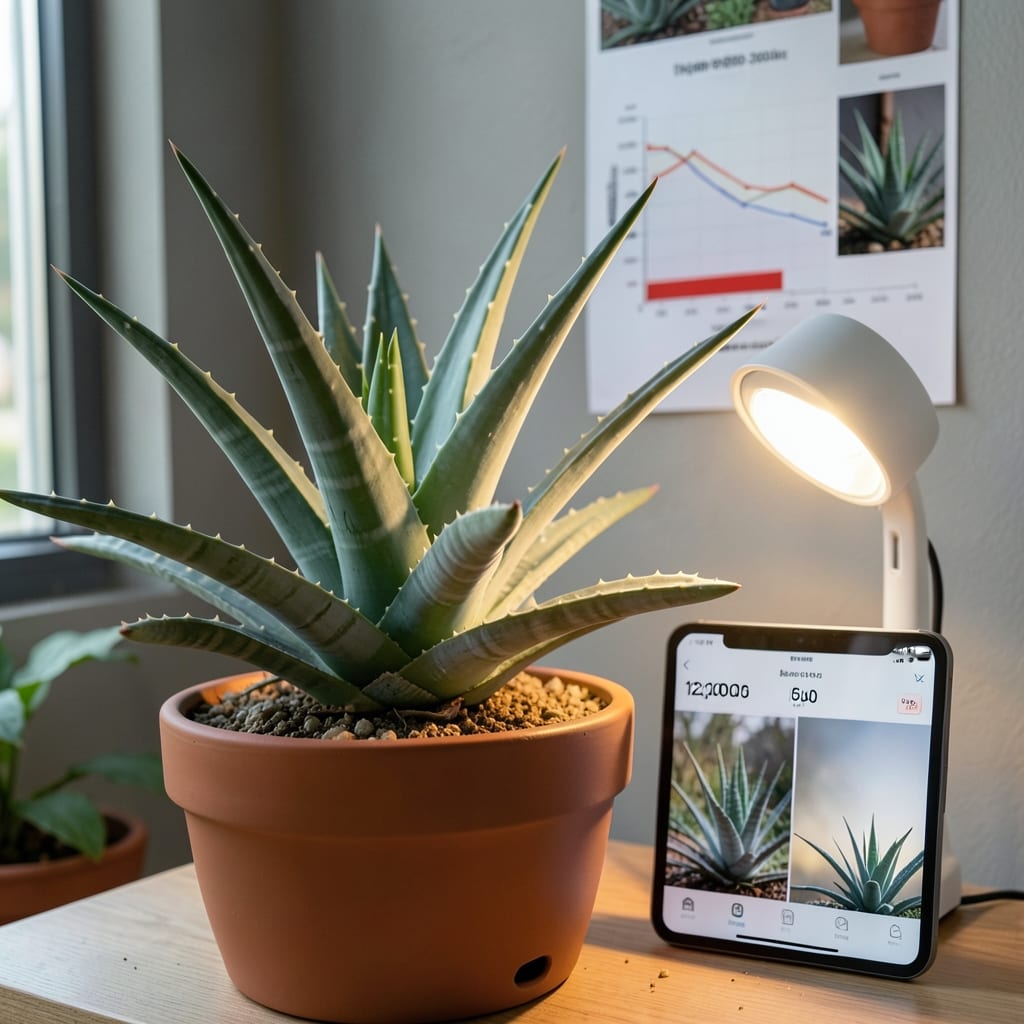
If your aloe vera 🌱 plant looks stretched out or its leaves are turning brown, you might be getting the light wrong. The secret to a thriving aloe vera lies in balancing sunlight—too little and it grows leggy, too much and it burns. But how exactly do you know what’s right for your plant’s health?
Most aloe vera plants thrive with 6 to 8 hours of bright, direct sunlight daily, whether outdoors or near a south-facing window. This succulent loves warmth but can’t handle harsh midday sun in hot climates—think filtered light or partial shade during peak hours. The key is finding that sweet spot where your plant stays plump and vibrant, not stressed.
Indoor growers often struggle with low light, while outdoor plants in Zone 6a may need protection from intense afternoon rays. I’ll break down the exact light conditions your aloe vera needs, plus how to spot signs of over- or under-exposure so you can adjust before it’s too late. Let’s get your plant back to its happiest, healthiest state.
From leggy stems to crispy edges, I’ll show you how to diagnose light issues and fix them fast. Whether you’re a beginner or a seasoned gardener, these tips will help your aloe vera grow strong year-round—no guesswork required.
 Best Window Placement
Ideal sunlight requirements for aloe vera plants: hours and intensity
Aloe vera plants 🌱 thrive best with 6 to 8 hours of bright, direct sunlight daily. This succulent is sun-loving but can’t handle extreme heat without protection. In Zone 6a climates, morning sun paired with afternoon shade works best to prevent leaf burn. Without enough light, your plant may stretch toward the sun, growing tall and leggy—a clear sign it’s hungry for more rays.
Indoors, place your aloe vera within 1 to 3 feet of a south-facing window for optimal light exposure. East or west windows also work but may require supplemental grow lights during shorter winter days. The key is ensuring consistent, bright light—aloe vera won’t tolerate dim corners or north-facing windows long-term.
Outdoor aloe vera plants need full sun exposure but benefit from partial shade during peak summer hours (12 PM to 3 PM). If your plant starts showing crispy, brown edges, it’s likely getting too much harsh sunlight. Conversely, pale or yellowing leaves signal insufficient light. Both extremes stress the plant and should be corrected quickly.
Seasonal adjustments are crucial. In spring and summer, aloe vera can handle more direct sunlight, while fall and winter may require reduced exposure or artificial lighting. If you notice your plant slowing growth or developing weak stems, it’s time to reassess its light conditions.
For indoor growers, grow lights are a game-changer. A 12-hour daily light cycle with a full-spectrum bulb mimics natural sunlight perfectly. Position the light 6 to 12 inches above the plant and adjust as it grows. This setup ensures your aloe vera stays healthy year-round, even in low-light apartments.
| Light Requirement | Specification |
|---|---|
| Daily Sunlight Hours | 6 to 8 hours (minimum 4 for survival) |
| Best Window Placement | South-facing (1-3 feet away) |
| Outdoor Light Type | Full sun with afternoon shade |
| Indoor Light Alternative | Grow lights (12-hour cycle) |
| Signs of Too Much Light | Brown, crispy leaf edges |
| Signs of Too Little Light | Leggy stems, pale leaves |
If you’re growing aloe vera outdoors in hot, dry climates, provide afternoon shade to prevent sunburn. A simple shade cloth or moving the plant to a spot under a tree can make a huge difference. In cooler climates like Zone 6a, aloe vera can handle more direct sunlight, but always monitor for stress signs.
For container-grown aloe vera, rotate the pot quarter-turns every few weeks to ensure even light exposure. This prevents one side from becoming too stretched or weak. Consistency in light exposure helps your plant grow uniformly and stay compact, which is especially important for indoor plants.
Remember, aloe vera is a succulent, meaning it stores water in its leaves. This adaptation also makes it resilient to light fluctuations, but it doesn’t mean it can thrive in poor light conditions. If your plant starts looking sad, don’t wait—adjust its light immediately to revive its health.
Pro tip: Observe your aloe vera’s leaves closely. Healthy leaves should be thick, upright, and green with no signs of stress. If you see any changes, act fast—aloe vera recovers quickly when given the right care, including the perfect amount of sunlight.
Ideal sunlight requirements for aloe vera plants: hours and intensity
Aloe vera plants thrive with 6 to 8 hours of bright, direct sunlight daily—this is their sweet spot for healthy growth. In Zone 6a climates, outdoor plants should receive morning sun with afternoon shade during peak summer months to prevent leaf burn. Without enough light, your aloe vera will stretch toward the sun, growing leggy and weak.
Indoors, place your aloe vera within 1-3 feet of a south-facing window for optimal light exposure. East or west windows work too, but may require supplemental grow lights during shorter winter days. North-facing windows are the worst for aloe vera, often leading to pale, stretched growth.
| Condition | Specification |
|---|---|
| Daily Sunlight | 6-8 hours (direct or bright indirect) |
| Best Window | South-facing (1-3 feet away) |
| Outdoor Protection | Shade cloth (30-50%) for afternoon sun |
| Indoor Light Fix | Grow light (12-14 hrs/day) if needed |
Watch for yellowing leaves or brown tips—these are classic signs of light stress. Too much direct sun causes sunburn (white or brown patches), while too little causes pale, stretched leaves. Rotate your plant weekly to ensure even light exposure on all sides, preventing uneven growth.
In hot climates, provide afternoon shade between 12 PM and 3 PM to protect your aloe vera from intense rays. Use a lightweight shade cloth (30-50% opacity) for outdoor plants during summer months. This mimics the plant’s natural habitat in arid regions where it avoids midday heat.
For indoor growers, a south-facing window provides the most consistent light, but supplement with a LED grow light (12-14 hours/day) if natural light is insufficient. Place the light 6-12 inches above the plant and adjust height as it grows to maintain proper intensity.
Remember, aloe vera is a succulent—it prefers bright light over dim conditions. If your plant starts looking weak or stretched, it’s time to move it closer to a light source or add supplemental lighting. The goal is to keep those thick, vibrant leaves that aloe vera is famous for! 🌱