
Light Requirements
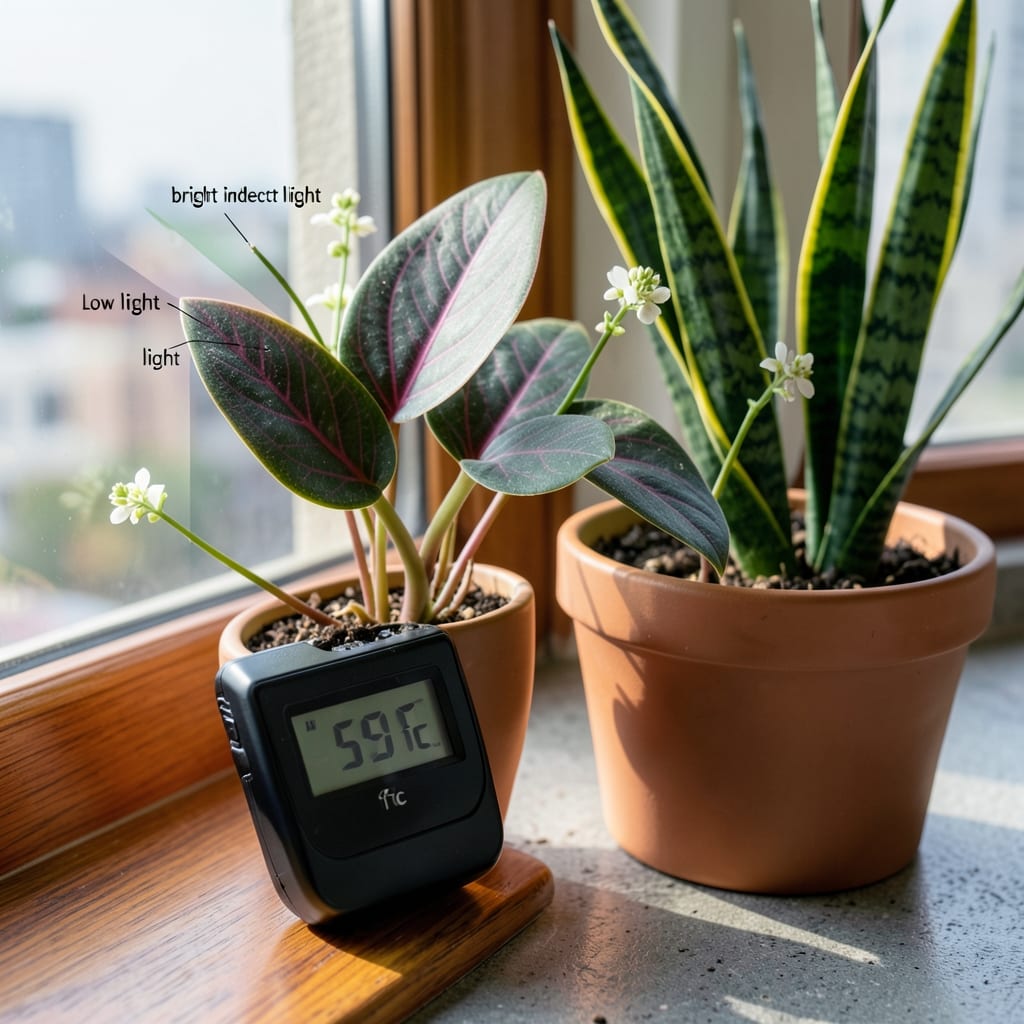
If your Prayer Plant 🌿 looks like it’s throwing a tantrum—drooping leaves or fading colors—chances are, its light needs aren’t being met. This stunning houseplant thrives in the sweet spot of low to bright indirect light, but too much or too little can send it into a decline.
I’ve learned the hard way that direct sunlight is a no-go—it burns those delicate leaves faster than you can say "sunburn." Instead, think of your Prayer Plant as a diva who loves bright, filtered light, like what you’d find near an east-facing window. The key is balance: enough light to keep its foliage vibrant, but not so intense it turns those gorgeous patterns into sad, bleached spots.
What you’re about to discover isn’t just theory—it’s actionable advice to keep your Prayer Plant happy and thriving. We’ll cover how to spot signs of light stress, adjust your space for optimal growth, and even troubleshoot common mistakes. Whether you’re a beginner or a seasoned plant parent, these tips will help you master the art of lighting for your Prayer Plant 🌿.
Ready to transform those droopy leaves into lush, vibrant foliage? Let’s dive into the perfect lighting setup for your plant’s success—no guesswork required.


Ideal light requirements for prayer plant growth and foliage vibrancy
The Prayer Plant (Maranta leuconeura) thrives in bright, indirect light—think of it as a plant that loves morning sun but needs afternoon shade. This tropical beauty hates harsh, direct sunlight, which can scorch its delicate leaves and fade those stunning patterns. The ideal spot offers 3-6 hours of filtered light daily, mimicking its natural understory habitat in South American rainforests.
For optimal growth, place your Prayer Plant near an east-facing window where it gets gentle morning sunlight without the intense afternoon rays. North-facing windows also work well, providing consistent, soft light. If your home lacks natural light, don’t worry—we’ll cover grow light solutions later in this guide to keep those leaves vibrant.
Low light causes the plant to stretch toward any available light, a condition called etiolation, leading to weak stems and pale foliage. On the flip side, too much direct sun turns leaves yellow or brown, especially those crispy edges that scream "sunburn." The goal is to strike that perfect balance where the plant’s colors remain rich and its growth stays compact.
Seasonal adjustments are key. During winter months, when natural light is dimmer, your Prayer Plant may tolerate slightly lower light levels. However, avoid placing it in dark corners—this leads to slow growth and loss of those beautiful variegated patterns. In summer, when sunlight is more intense, move it back from windows or use sheer curtains to diffuse the light.
Understanding your Prayer Plant’s natural photosynthesis efficiency helps explain why it prefers indirect light. Unlike sun-loving plants, Maranta leuconeura has lower chlorophyll density, making it more sensitive to UV rays. When exposed to direct sunlight, its leaves can’t process the energy fast enough, leading to cellular damage. This is why even a few hours of afternoon sun can turn those gorgeous leaves into sad, bleached patches.
Pro tip: Rotate your plant quarter-turn every 2-3 weeks to ensure even growth. Prayer Plants grow toward the light source, so consistent rotation prevents one side from becoming leggy while the other remains compact. This simple habit keeps your plant symmetrical and encourages those stunning patterns to develop evenly on all sides.
If you notice your Prayer Plant’s leaves drooping at night, don’t panic—this is normal! The plant’s leaves naturally fold upward (hence the name "prayer plant") to conserve moisture. However, if the drooping persists during the day or is accompanied by yellowing, it’s often a sign of underwatering or low light stress. Pair proper lighting with consistent moisture (keep soil evenly damp but not soggy) for the best results.
For those living in apartments with limited natural light, grow lights are a game-changer. A simple LED grow light placed 6-12 inches above the plant for 10-12 hours daily mimics ideal conditions. Look for lights with a cool white spectrum (5000-6500K) to replicate natural daylight without the harshness of direct sun.
Remember, the goal isn’t perfection—it’s creating an environment where your Prayer Plant can thrive with minimal stress. With the right light balance, you’ll be rewarded with lush, vibrant foliage that’s the envy of every plant lover. Let’s keep those leaves happy and healthy! 🌿
Ideal light requirements for prayer plant growth and foliage vibrancy
The Prayer Plant (Maranta leuconeura) thrives in bright indirect light, mimicking its natural understory habitat. Think of it as a plant that loves morning sunlight but needs protection from harsh afternoon rays. Too little light causes pale, dull foliage, while too much leads to sunburned leaf tips. The sweet spot is 1,000-2,000 foot-candles of light—about what you’d find near an east-facing window.
For optimal growth, position your plant 2-3 feet away from a north or east-facing window. If your space lacks natural light, grow lights with a 6500K color temperature (cool white) work wonders, especially in winter months when daylight is scarce. Aim for 12-14 hours of light daily if supplementing artificially.
Seasonal adjustments are key: during summer months, filter light with sheer curtains to prevent leaf scorch, while in winter, you might need to move your plant closer to the window or extend light exposure. The goal is to keep those striking variegated patterns vibrant and prevent etiolation (stretched, weak growth) from insufficient light.
| Light Condition | Ideal Setup | Signs of Stress |
|---|---|---|
| Low Light (<1,000 ft-c) | North-facing window or artificial grow light | Pale leaves, slow growth, leggy stems |
| Bright Indirect (1,000-2,000 ft-c) | East/west window, 2-3 feet away | Vibrant foliage, compact growth |
| Direct Sunlight (>2,000 ft-c) | Avoid; use sheer curtains or move plant | Brown leaf tips, crispy edges, bleached patterns |
Watch for visual cues like drooping leaves in the morning—a classic sign of underwatering or low light. Conversely, crispy brown edges mean your plant is getting too much direct sun. Rotate your plant quarter-turns weekly to ensure even growth, as it naturally leans toward light sources. This simple habit prevents lopsided foliage and keeps your Prayer Plant looking its best.
Pro tip: If your plant’s leaves fold upward at night (a natural movement called nyctinasty), it’s a healthy sign! This behavior is most pronounced in moderate light conditions and fades under stress. Pair this with consistent moisture and humidity levels above 50% for the perfect growing environment.
Remember, the Prayer Plant is a low-maintenance beauty when its light needs are met. With the right balance, you’ll be rewarded with lush, patterned leaves that’ll be the envy of every plant lover. Start small—test your setup for a week, observe the changes, and adjust as needed. Your plant will thank you with vibrant, healthy growth! 🌿