
How To
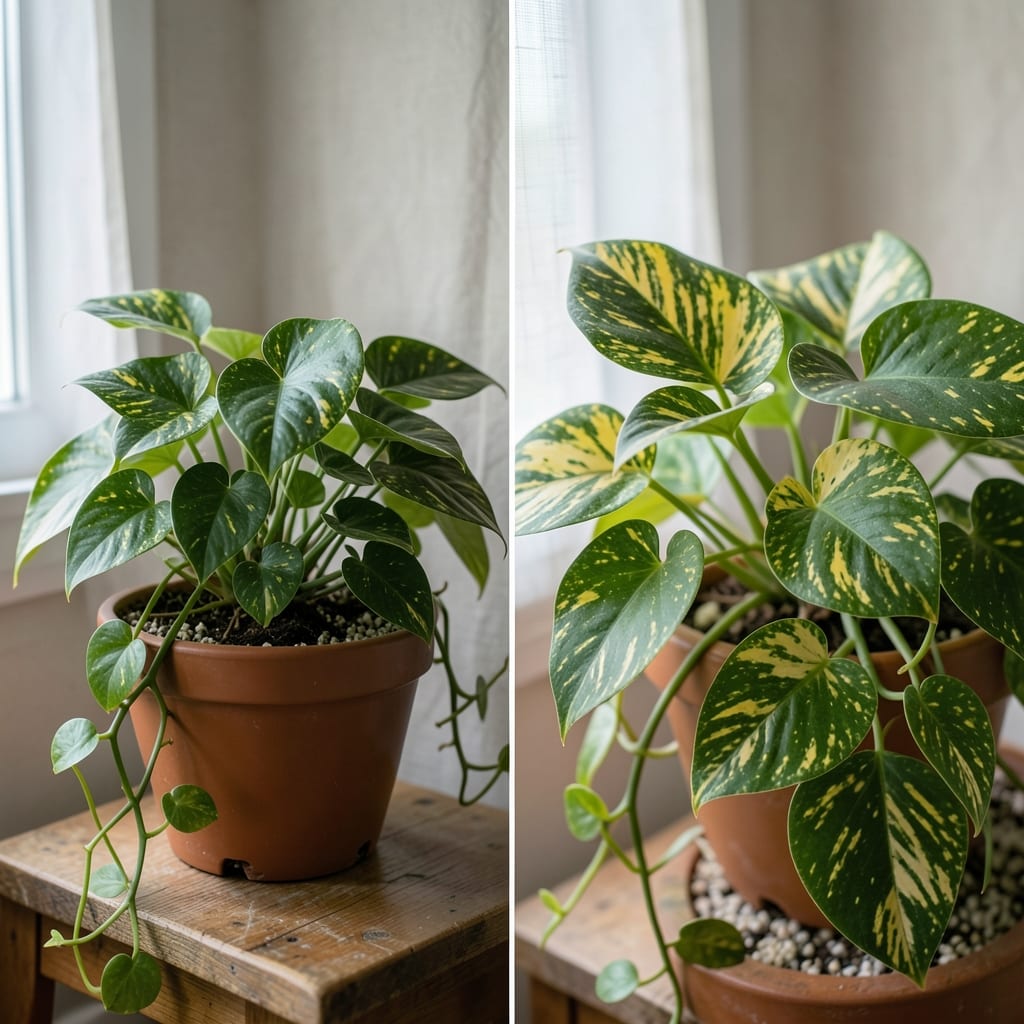
Optimal light requirements: 4 to 6 hours of bright, indirect sunlight explained
Your Chinese Money Plant (Pachira aquatica) thrives in bright, indirect light—think of it as a tropical plant that mimics its natural habitat under the forest canopy. This means it needs 4 to 6 hours of filtered sunlight daily, but never harsh, direct rays that can scorch its delicate leaves. The key is balancing light intensity and duration to keep those signature coins-shaped leaves vibrant and compact.
Indoor growers often struggle with this because most homes don’t have perfect light conditions. For example, a south-facing window might provide too much direct sun, while a north-facing window could leave your plant starving for light. The ideal spot is near an east-facing window, where morning sunlight is gentle and warm. If you’re outdoors, place it in partial shade—like under a patio umbrella or near a building that diffuses the sun.
Here’s the science behind it: Chinese Money Plants originate from tropical rainforests, where sunlight is abundant but filtered through dense foliage. Too little light causes stretched, leggy growth (a sign of etiolation), while too much leads to yellowing leaves or crispy brown edges. The goal is to replicate that dappled sunlight effect as closely as possible.
| Light Condition | Ideal Hours/Day | Best Location | Plant Response |
|---|---|---|---|
| Bright Indirect Light | 4–6 hours | East-facing window, 2–3 ft away | Healthy growth, compact leaves |
| Low Light | <2 hours | North-facing window, deep corners | Leggy stems, pale leaves |
| Direct Sunlight | >6 hours | South/west window, no filter | Brown leaf edges, wilting |
| Partial Shade (Outdoor) | 4–6 hours filtered | Under trees, patio umbrella | Balanced growth, glossy leaves |
Seasonal adjustments are crucial because sunlight intensity changes. In spring and fall, your plant can handle up to 6 hours of morning sun without issues. However, during summer, the sun is more aggressive, so you’ll need to move it back from the window or use a sheer curtain to diffuse the light. Conversely, in winter, natural light is weaker, so supplement with a grow light if you notice the leaves losing their vibrancy.
Pro tip: Rotate your plant quarter-turns every 2 weeks to ensure even light exposure. This prevents the plant from leaning toward one side, which is a common sign of uneven lighting. Think of it like giving your plant a mini vacation to explore all sides of its sunny home!
If you’re unsure whether your space meets the bright indirect light requirement, try the shadow test. Hold your hand near the plant—if you can easily read a book in that spot, the light is likely too dim. If the area feels warm and you’d need sunglasses, it’s probably too intense. Adjust accordingly!
Outdoor gardeners can create the perfect microclimate by placing the plant under a large tree or on a covered patio. Just avoid spots where it gets scorched by afternoon sun, especially in hot climates like USDA Zones 9–11. A little afternoon shade goes a long way in preventing stress.
Remember, the goal isn’t perfection—it’s finding the sweet spot where your Chinese Money Plant feels like it’s basking in its tropical paradise. With the right light, you’ll reward yourself with lush, coin-shaped leaves and a plant that’s the envy of every room!
Optimal light requirements: 4 to 6 hours of bright, indirect sunlight explained
The Chinese Money Plant (Pachira aquatica) thrives in bright, indirect sunlight for 4 to 6 hours daily. This tropical plant mimics its natural habitat under forest canopies, where dappled light filters through leaves. Too much direct sun causes leaf burn, while too little leads to leggy growth. Understanding light intensity and duration is key to keeping your plant lush and compact.
For indoor growers, an east-facing window provides perfect morning light without harsh afternoon rays. If you only have a south-facing window, place your plant 3-5 feet away to diffuse the intensity. Outdoor gardeners should opt for partial shade, especially during peak summer hours when UV exposure spikes.
Here’s how to match your space to your plant’s needs using a simple light intensity comparison:
| Light Condition | Ideal Placement | Plant Response |
|---|---|---|
| Bright Indirect Light (60%) | East/west windows, 2-3 ft away; sheer curtains | Healthy growth, vibrant leaves, compact shape |
| Direct Morning Sun (1-2 hrs) | South-facing windows (brief exposure) | Tolerated; avoid prolonged exposure to prevent burn |
| Low Light (<40%) | North-facing windows, dim corners | Leggy stems, pale leaves, slow growth |
| Harsh Direct Sun (>4 hrs) | Unfiltered south/west sun, no shade | Brown leaf tips, crispy edges, leaf drop |
Seasonal adjustments are crucial. In winter, when sunlight is weaker, supplement with a grow light 12 inches away for 6 hours daily. During summer, move your plant outdoors to a shaded patio for fresh air and filtered light, then acclimate it back indoors to avoid shock.
Pro tip: Rotate your plant quarter-turn weekly to ensure even light exposure. This prevents lopsided growth and keeps those signature coin-shaped leaves symmetrical and vibrant. A simple habit that makes a world of difference!
For outdoor enthusiasts, partial shade setups work best—think 30-50% shade cloth or dappled light under trees. Avoid full sun, which mimics desert conditions this tropical plant isn’t equipped to handle.