
Light Requirements
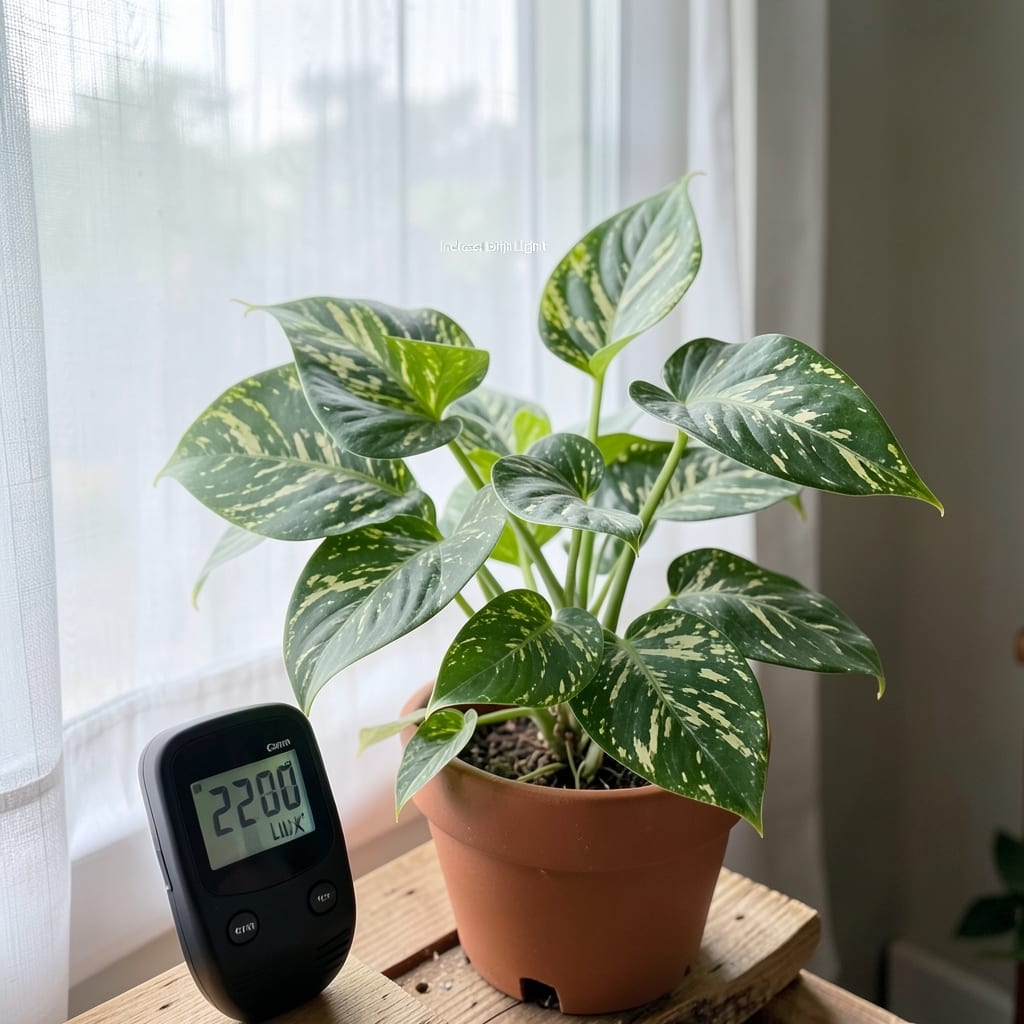
If your Arrowhead Plant 🌿 is struggling to thrive, the answer might be simpler than you think—how much light does it actually need? Too little, and those gorgeous arrow-shaped leaves turn dull and sparse; too much, and you’ll watch them crisp up like toast. The secret lies in finding that sweet spot of bright, indirect light that keeps your plant happy without scorching it.
Most Arrowhead Plants (Syngonium podophyllum) do best with bright indirect light, which mimics their natural understory habitat. Think of it as the perfect balance: enough light to fuel growth but filtered enough to prevent sunburn. Whether you’re dealing with a north-facing window or a south-facing one, understanding these nuances can make all the difference in keeping your plant lush and vibrant.
But here’s the kicker: not all light is created equal. Variegated varieties, for instance, need even more care to maintain their striking patterns, while mature plants can handle slightly more brightness than their younger counterparts. I’ll walk you through how to spot the signs of light stress—like leggy growth or yellowing leaves—and how to adjust your plant’s environment to keep it thriving year-round.
Ready to transform your Arrowhead Plant from struggling to stunning? Let’s dive into the exact light conditions your plant craves, plus practical tips to recreate them in any home—no green thumb required.

Optimal light requirements for arrowhead plants by variety
The Arrowhead Plant (Syngonium podophyllum) thrives in bright indirect light, but its needs shift based on variety, maturity, and foliage type. Understanding these nuances ensures your plant stays lush and vibrant. Let’s break down the specifics to help you tailor care to your plant’s unique needs.
For juvenile plants (younger than 1 year), aim for medium indirect light—think 3-4 feet from an east-facing window. These plants are more delicate and can scorch easily. As they mature, they can handle slightly brighter conditions, but never direct afternoon sun, which can cause leaf burn.
| Variety | Stage | Light Needs | Ideal Placement |
|---|---|---|---|
| Solid Green | Juvenile | Medium indirect (50%) | 3-4 ft from east window |
| Solid Green | Mature | Bright indirect (60-70%) | 2-3 ft from west window |
| Variegated | All Stages | Bright indirect (70%) | 1-2 ft from east window with sheer curtain |
| Pink/Red Varieties | Mature | Medium indirect (50-60%) | North-facing window or filtered south light |
Variegated varieties, like 'White Butterfly' or 'Pink Allusion', require more light than solid green types to maintain their striking patterns. Without enough light, their white or pink hues fade to green, losing the visual appeal that makes them so popular. Place these near an east-facing window with a sheer curtain to diffuse harsh rays.
Mature Arrowhead Plants can tolerate slightly brighter conditions than their younger counterparts, but they still need indirect light. A west-facing window works well for a few hours of morning sun, but avoid placing them in direct afternoon sun, which can cause leaf scorch—those crispy, brown edges are a sure sign of too much intensity.
To measure ambient light, use a simple light meter app on your phone. Aim for 1,000-3,000 lux for ideal growth. If your plant is near a window but still looks weak, it might need a grow light supplement during shorter winter days. LED grow lights with a 5,000-6,500K color temperature mimic natural sunlight perfectly.
Seasonal adjustments are key. In summer, when sunlight is most intense, move your plant further from the window or use a light-filtering curtain. In winter, when days are shorter, supplement with a grow light for 6-8 hours daily to prevent leggy growth. Rotate your plant quarter-turns every week to ensure even light exposure on all sides.
Pro tip: If your plant starts leaning toward the light, it’s a clear sign it needs more. Gently turn the pot to encourage upright growth and prevent lopsided foliage. With the right light balance, your Arrowhead Plant will reward you with bold, arrow-shaped leaves and vigorous growth all year round.
Signs your arrowhead plant isn’t getting enough (or too much) light
Your Arrowhead Plant 🌿 might be silently screaming for help if its leaves start telling a story. One of the first red flags is leggy growth—those long, sparse stems with tiny leaves. This happens when your plant stretches toward any available light, often seen in low-light conditions like a north-facing window without extra brightness. The plant is essentially reaching for more light, but it won’t get the energy it needs to produce compact, healthy foliage.
On the flip side, brown leaf tips or crispy edges are classic signs of too much direct sunlight. If your plant is sitting in a south-facing window without any filter, those delicate leaves can sunburn quickly. You’ll notice the damage starting at the tips or along the edges, where the light is most intense. This is your plant’s way of saying, “I’m getting too much heat!”
Another clue is yellowing leaves, which can indicate either overwatering in low light or nutrient deficiency from insufficient light. If the yellowing starts at the bottom and works its way up, it’s often a sign the plant isn’t getting enough energy from light to support its growth. However, if the yellowing is paired with drooping leaves, it might be a combination of light stress and hydration issues.
Seasonal changes also play a role. In winter months, when natural light is weaker, your Arrowhead Plant might start showing signs of light deficiency even if it was thriving in summer. This is why I recommend supplementing with a grow light or moving your plant closer to a south-facing window during these darker days. Conversely, in summer, you might need to filter direct sunlight with sheer curtains to prevent heat stress.
Don’t ignore new growth patterns either. If your plant suddenly produces smaller leaves or the new leaves are paler than usual, it’s often a sign it’s not getting enough light to perform photosynthesis efficiently. This is your plant’s way of conserving energy until conditions improve. Pay attention to these subtle clues—they’re your plant’s early warning system!
Finally, keep an eye out for pests like spider mites, which thrive in dry, low-humidity environments often caused by too much direct light. If you notice tiny webs or speckled leaves, it might be time to adjust your plant’s light exposure and increase humidity levels. Your Arrowhead Plant’s health is a delicate balance, and these signs are its way of communicating what it needs to thrive.