
Plants
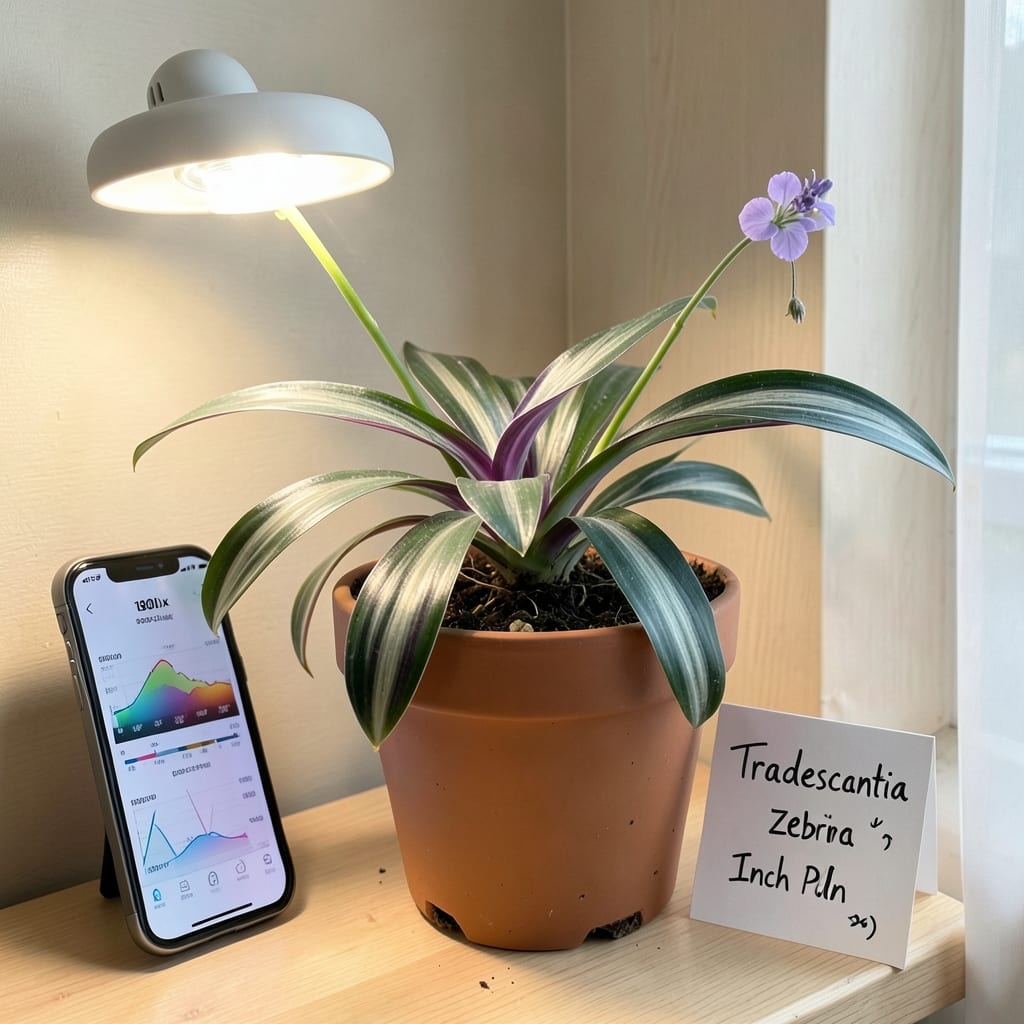
If you're wondering how much light does an inch plant need, you're not alone—this is a classic sign of light hunger when your plant stretches toward the sun like a sleepy cat reaching for the warmth. The secret to keeping those vibrant purple-and-green leaves lush isn’t complicated: 4-6 hours of bright, indirect sunlight is all your inch plant needs to thrive, but too much direct sun can turn those leaves into crispy snacks.
Most people assume their inch plant is low-maintenance, but lighting is where it makes or breaks its health. Place it near an east-facing window for gentle morning rays, or mimic that filtered light with sheer curtains. The key is avoiding harsh afternoon sun, which can scorch those delicate leaves faster than you can say "sunburn."
You’ll know you’ve got the lighting right when your inch plant grows compact and bushy, with leaves that stay vibrant. Too little light? Watch for leggy stems and pale leaves. Too much? Look for brown or yellow patches—your plant’s way of waving a tiny white flag. Let’s fix that together.
Whether you’re dealing with a sun-starved plant in a north-facing room or one getting too much midday heat, I’ll walk you through the simple tweaks to get it back to its happy, healthy self. Ready to transform those sad stems into a thriving inch plant 🌱?

Optimal light requirements for inch plants: the 4-6 hour rule explained
Your inch plant (Tradescantia zebrina) thrives on bright, indirect light—think of it as a sunbather who avoids midday tanning. The 4-6 hour rule is your golden standard: this is the sweet spot where your plant grows lush without risking sunburn. Too little light, and it stretches toward the nearest window like a sleepy cat; too much, and those gorgeous purple stripes fade to a sad, bleached green.
Indoor inch plants do best near east-facing windows, where morning sun is gentle and afternoon rays are diffused. If you only have south-facing windows, place your plant 3-6 feet away to mimic natural shade. Outdoor inch plants (in zones 9-11) love dappled sunlight under trees or on shaded patios—just avoid harsh afternoon sun, which can scorch leaves faster than you can say "oops."
Light intensity matters just as much as duration. Your inch plant craves bright indirect light, which means no dim corners or deep shade. Test your spot with the "shadow test": if you can read a book comfortably in the same light, it’s likely too dim. For reference, a north-facing window usually provides the softest light, while a south-facing window delivers the strongest—but always filter it with a sheer curtain.
Seasonal adjustments are key. In winter, when daylight dwindles, supplement with a grow light (more on this later) to maintain those 4-6 hours. In summer, watch for signs of stress like crispy leaf edges—this means it’s time to move your plant to a shadier spot or pull the curtains. Pro tip: Rotate your plant quarter-turns weekly so all sides get even light exposure, preventing lopsided growth.
Here’s the light spectrum breakdown for inch plants:
- Ideal: Bright indirect (e.g., east window, north window with sheer curtain)
- Tolerable: Medium indirect (e.g., west window, 2-3 feet from south window)
- Avoid: Low light (e.g., bathroom, basement) or harsh direct sun (e.g., south window without filter)
🌱 Inch Plant Light Requirements Summary
| Light Type | Daily Duration | Best Location | Leaf Color |
|---|---|---|---|
| Bright Indirect | 4-6 hours | East window, 3-6 ft from south window | Purple-striped, vibrant green |
| Medium Indirect | 2-4 hours | West window, under fluorescent lights | Green with faint stripes |
| Low Light | <2 hours | North corner, bathroom | Pale green, no stripes |
| Direct Sun | >6 hours | South window without filter | Bleached, brown patches |
"Adjust light gradually—shocking your plant with sudden bright light can cause leaf drop."
If you’re still unsure about your space, try this DIY light meter trick: Place your inch plant near a white wall and observe the shadow it casts at noon. If the shadow is sharp and dark, the light is too harsh. If it’s fuzzy and light, you’ve hit the sweet spot. For extra precision, use a lux meter (available for ~$20 online) to measure light levels—aim for 10,000-20,000 lux for optimal growth.
Outdoor inch plants in containers need extra care. Move them to partial shade during peak summer hours (11 AM–3 PM) to prevent leaf scorch. If you’re growing them in ground beds, plant them under the canopy of taller shrubs or trees to mimic their natural habitat. Remember, inch plants are tropical escapees, so they’re not built for harsh outdoor conditions—think of them as the divas of the plant world who demand just the right stage lighting.
One common myth is that inch plants can thrive in low light forever. While they’re more forgiving than, say, a fern, chronic low light leads to leggy growth (long, weak stems) and pale leaves. If your plant starts looking like a stretched-out noodle, it’s begging for more light. The fix? Gradually introduce brighter conditions over 1-2 weeks to avoid shocking the roots.
For urban gardeners with limited natural light, grow lights are a game-changer. A full-spectrum LED grow light (like the Mars Hydro TS 3000) placed 6-12 inches above your plant for 12-14 hours daily mimics sunlight perfectly. Even a simple fluorescent bulb can work in a pinch—just ensure it’s within 12 inches of the plant. Rotate your plant daily to prevent uneven growth toward the light source.
Pro tip: Pair your inch plant with light-loving companions like peperomia or pothos to create a microclimate that shares similar light needs. This not only looks stunning but also helps you monitor light conditions collectively. And if all else fails, remember: inch plants are survivors. Even if you mess up the light for a while, they’ll bounce back with a little TLC—just don’t let them go completely dark for more than a few days.
Optimal light requirements for inch plants: the 4-6 hour rule explained
Your inch plant (Tradescantia zebrina) thrives on a precise balance of light—too little and it becomes a sad, leggy shadow of itself, while too much turns its leaves into crispy snacks. The golden rule is 4-6 hours of bright, indirect sunlight daily, but understanding the type of light matters just as much as the duration.
Think of your inch plant’s ideal light like a morning coffee: strong enough to energize but not so intense it burns. East-facing windows provide this perfect balance with gentle morning rays, while west-facing windows can deliver too much harsh afternoon sun. South-facing windows? Only if you’re using sheer curtains to diffuse the light.
Here’s the breakdown: bright indirect light (like dappled sunlight under a tree) is ideal, while direct midday sun (12 PM–3 PM) can scorch those delicate leaves. If you’re unsure about your space, place your plant a few feet away from the window—you’ll know it’s in the right spot when the leaves stay vibrant and compact.
🌱 Inch Plant Light Requirements Summary
| Light Type | Daily Duration | Best Window | Leaf Health |
|---|---|---|---|
| Bright Indirect | 4-6 hours | East or North | Vibrant, compact leaves |
| Low Light | <2 hours | North-facing | Leggy, pale leaves |
| Direct Sun | >6 hours | South/West | Brown/yellow patches |
Seasonal changes can throw off your inch plant’s light routine. During summer months, when sunlight is strongest, move your plant slightly farther from the window to avoid overheating. In winter, when natural light dims, supplement with a simple grow light (even a 12-inch LED bulb on a timer works) for 4-6 hours daily.
Pro tip: Rotate your plant quarter-turns every 2 weeks to ensure even growth. This prevents one side from leaning toward the light while the other stays weak. Your goal is a symmetrical, bushy plant with leaves that stay true to its striking purple-and-green stripes.
If your inch plant starts showing signs of light stress—like stretched stems or bleached leaves—don’t panic. Adjusting its light exposure can often reverse the damage within a few weeks. The key is acting quickly before the plant becomes permanently leggy or sunburned.