
Light Requirements
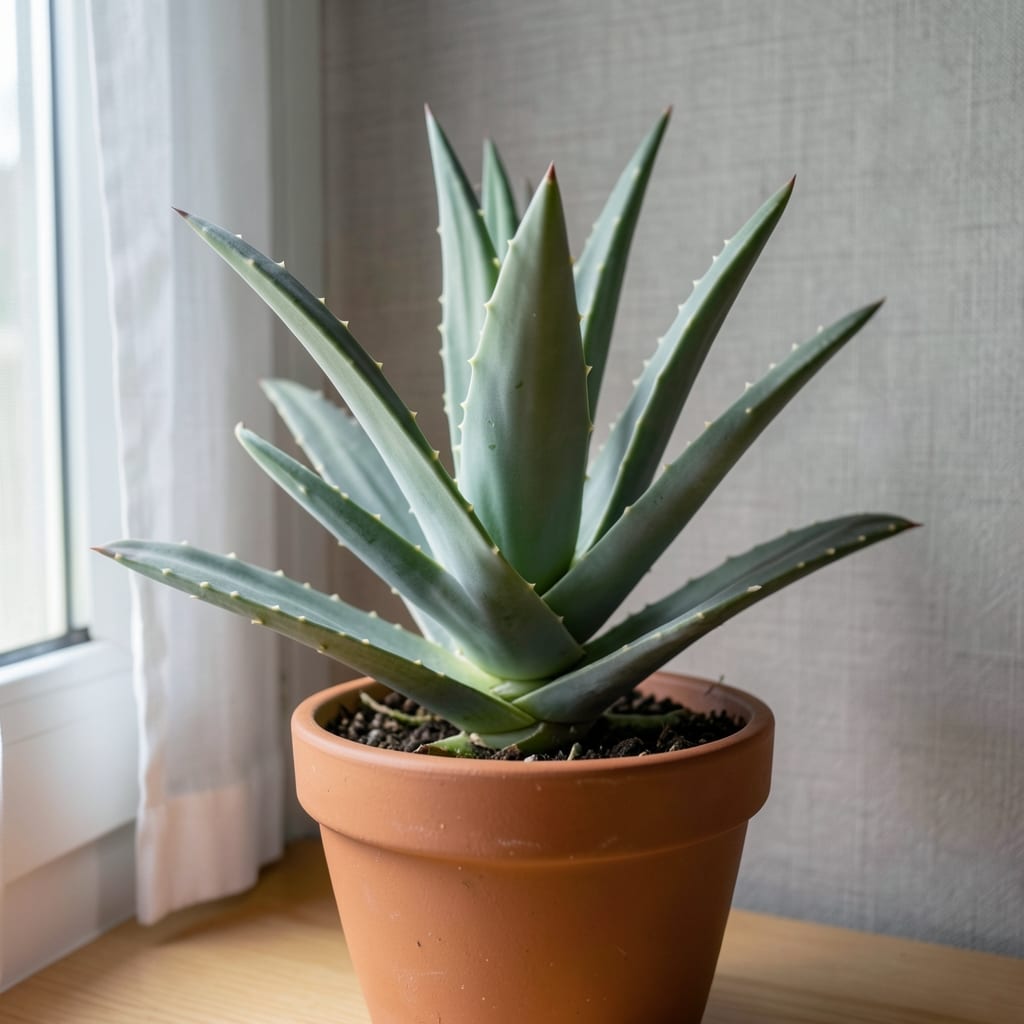
If your aloe 🌱 plant looks sad—yellowing leaves, stretched stems, or slow growth—chances are, it’s not getting how much light an aloe plant needs. The key to a thriving aloe lies in 4-6 hours of bright sunlight daily, but too much or too little can spell disaster for this sun-loving succulent.
Most gardeners assume aloe needs full sun, but the truth is more nuanced. While it loves sunlight, direct afternoon rays can scorch its leaves, while dim corners make it stretch awkwardly toward any available light. Balancing exposure is the secret to keeping your plant happy and healthy year-round.
Whether you're growing aloe indoors near a window or outdoors in your USDA Zone 6a garden, I’ll show you exactly how to position it for success. You’ll learn how to spot signs of over- or under-exposure and simple fixes—like rotating pots or using sheer curtains—to create the perfect lighting conditions.
Ready to transform your aloe from struggling to stunning? Let’s dive into the ideal light setup so your plant can flourish without guesswork.

Optimal sunlight requirements for aloe vera growth and health
Aloe vera thrives with 4 to 6 hours of direct sunlight daily, making it a perfect sun-loving succulent that can handle more light than many houseplants. In its natural habitat, aloe grows under bright African sunlight, so replicating this light exposure indoors or outdoors is key to preventing leggy growth or yellowing leaves.
For outdoor aloe plants, place them in a spot with morning sun and afternoon shade to avoid harsh midday rays that can scorch the leaves. If you're growing aloe in containers on patios or balconies, rotate the pot every few weeks to ensure even growth and prevent the plant from leaning toward the light.
Indoor aloe plants need bright, indirect light near a south-facing window. If your home has limited natural light, supplement with a grow light for 6-8 hours daily to mimic sunlight. Without enough light, aloe vera becomes etiolated—stretching tall and thin with sparse leaves.
Here’s how aloe vera’s light needs break down by environment:
| Environment | Light Needs | Signs of Too Little Light | Signs of Too Much Light |
|---|---|---|---|
| Outdoor | 4-6 hours direct sun | Leggy growth, pale leaves | Brown leaf tips, sunburn |
| Indoor (South Window) | 6+ hours bright indirect | Slow growth, weak stems | Yellow patches, crispy edges |
| Indoor (Low Light) | Grow light 6-8 hrs/day | Stretched, sparse leaves | N/A (requires supplemental light) |
In summer months, aloe can tolerate up to 8 hours of direct sunlight, especially in USDA Zone 9 and above, where temperatures stay mild. However, if your aloe develops brown or white patches on its leaves, it’s a sign of sunburn—move it to a shadier spot immediately.
Conversely, winter light is weaker, so aloe may need to be moved closer to a sunny window or under grow lights for 10-12 hours daily to maintain its health. Without enough light in winter, aloe vera enters a dormant phase, which is normal but can be prolonged if light levels drop too low.
Pro tip: Use a light meter or phone app to check light levels in your space. Aloe vera prefers 3,000-5,000 lux of light—any less, and you’ll see signs of light deprivation within weeks.
If your aloe is in a nursery pot, keep it there for at least 6 months before repotting, as crowded roots can limit its ability to absorb nutrients—especially when light is limited. Always use a well-draining cactus/succulent mix to prevent root rot, which is more likely when light levels are insufficient.
Finally, avoid placing aloe near cold drafts or air conditioning vents, as temperature fluctuations can stress the plant, especially if it’s already struggling with low light conditions. Consistency in both light and temperature is key to keeping your aloe vera thriving year-round.
How to adjust light exposure for indoor vs. outdoor aloe plants
Adjusting light exposure is the secret to keeping your aloe vera thriving year-round, whether it's basking in outdoor sunlight or struggling in a dim indoor corner. The key is understanding how to position your plant based on its environment and season. For outdoor aloe, morning sun paired with afternoon shade is ideal—this mimics the natural African habitat where aloe grows.
If you're growing aloe on a patio or balcony, place it where it receives 4-6 hours of direct sunlight but avoid the harsh 11 AM to 3 PM rays that can scorch delicate leaves. Use a lightweight shade cloth if needed, especially in USDA Zone 7 and above, where summer heat intensifies. Rotate the pot every 2-3 weeks to ensure even growth and prevent the plant from leaning toward the light source.
For indoor aloe plants, a south-facing window is your best bet, providing bright, indirect light for 6+ hours daily. If your home lacks natural light, a grow light on a timer (6-8 hours/day) can mimic sunlight perfectly. Position the light 12-18 inches above the plant to avoid burning the leaves, and use a full-spectrum LED bulb for optimal results.
If your aloe develops white or brown patches near the window, it’s getting too much direct sunlight. Move it 6 inches back or use a sheer curtain to diffuse the light. Over-exposure is just as harmful as under-exposure for aloe vera.
Seasonal adjustments are crucial. In summer, aloe can handle up to 8 hours of direct sun, but in winter, weaker light means you may need to move it closer to a sunny window or extend grow light hours to 10-12 hours daily. Without enough light in winter, aloe enters a dormant phase, which is normal but can be prolonged if conditions aren’t right.
Another pro tip: If your aloe is in a nursery pot, avoid repotting for at least 6 months—crowded roots help it conserve water, which is especially important if light levels are low. Always use a well-draining cactus/succulent mix to prevent root rot, a common issue when light exposure is inconsistent.
Finally, avoid placing aloe near cold drafts or AC vents, as temperature fluctuations stress the plant. Consistency in both light and temperature is key to keeping your aloe vera thriving, whether indoors or out. With these adjustments, your aloe will stay compact, green, and healthy all year round.