
Light Requirements
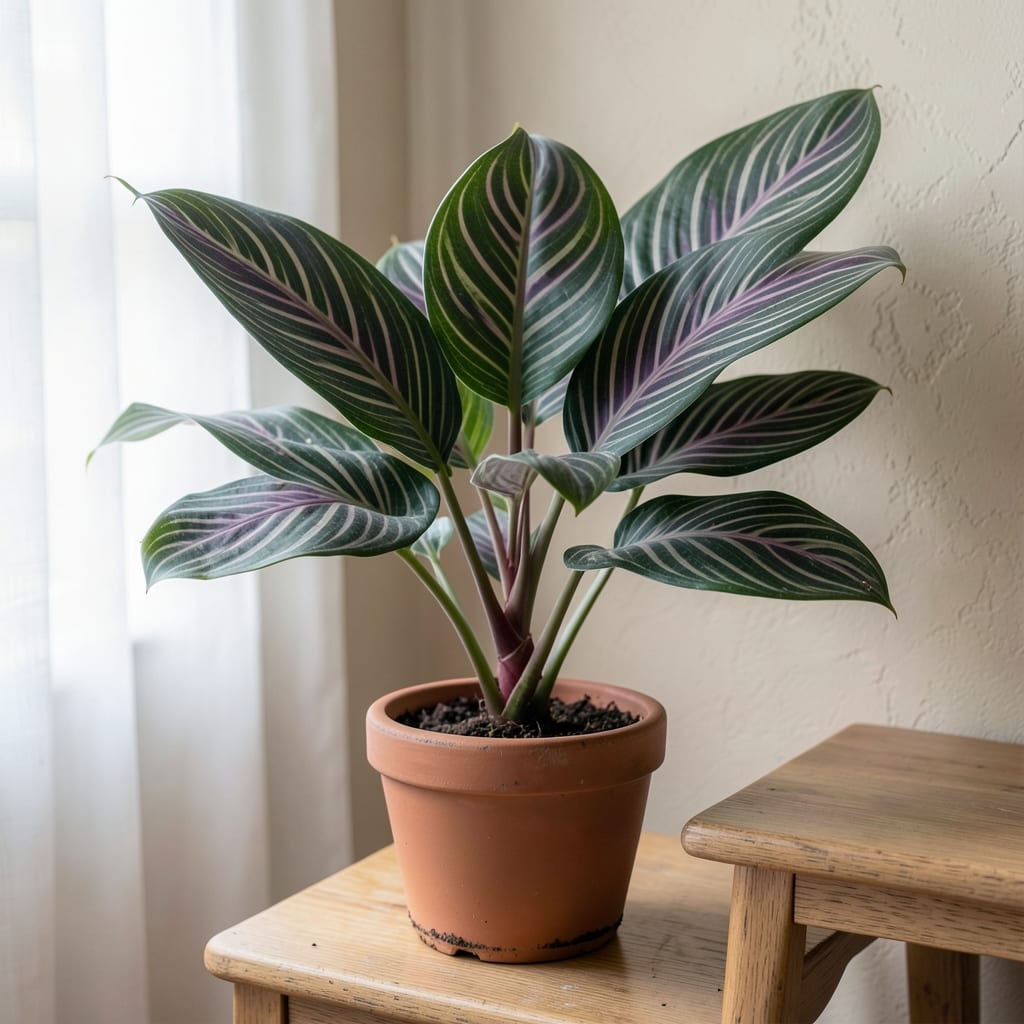
If you’re wondering how much light does a zebra plant need to keep its bold stripes sharp, the answer is simple: too little dulls its colors, while too much turns its leaves into crispy snacks. The ideal? Bright, indirect light that mimics its natural jungle canopy—think of it as a 5-minute coffee break for your plant, just enough to wake up without scorching.
Most people assume "bright light" means direct sunlight, but for Aphelandra squarrosa, this is a recipe for disaster. We’re talking east or west-facing windows where the morning or late afternoon sun gently bathes the plant without scorching. Think of it like a 5-minute coffee break—just enough to wake up, not enough to fry.
Here’s the game-changer: your plant’s light needs shift with the seasons. In winter, you might need to rotate it quarter-turns weekly to keep growth even, while summer’s harsh rays could mean pulling back sheer curtains. Let’s break down exactly how to strike that perfect balance so your Zebra Plant stays vibrant all year.
Ready to transform those sad, leggy stems into lush, striped foliage? I’ll walk you through the signs of light stress, easy fixes for common mistakes, and even how to hack your home’s lighting for optimal results—no green thumb required.

Zebra plant light requirements: the ideal brightness spectrum
The Zebra Plant (Aphelandra squarrosa) thrives in bright indirect light, which mimics its natural understory habitat. This means it needs plenty of light but without the harsh rays of direct sun that can scorch its delicate leaves. Think of it as the perfect balance between a sunny reading nook and a cozy, shaded corner.
Direct sunlight—especially midday rays—can cause brown patches or crispy edges on the leaves, while too little light leads to dull foliage and stretched, leggy growth. The key is to provide 4-6 hours of bright, filtered light daily, which keeps those iconic zebra-striped leaves vibrant and healthy.
East or west-facing windows are ideal because they offer gentle morning or afternoon light without the intense midday heat. If you only have a south-facing window, position your Zebra Plant 3-5 feet away to diffuse the light naturally. North-facing windows may work, but you might need to supplement with a grow light during shorter winter days.
Seasonal changes also affect light exposure. In summer, when sunlight is more intense, your Zebra Plant may need to be moved slightly farther from the window or shielded with a sheer curtain. During winter, when natural light is weaker, you might notice slower growth or less vibrant colors—this is a sign it needs a little extra brightness, possibly from a LED grow bulb.
| Light Condition | Ideal Setup | Signs of Stress |
|---|---|---|
| Bright Indirect Light | East/west window, 1-3 ft away; sheer curtain for south windows | Vibrant stripes, compact growth |
| Direct Sunlight | South window without diffusion | Brown leaf edges, crispy spots |
| Low Light | North window, dim corner | Pale leaves, leggy stems |
| Artificial Grow Light | 12-14 hrs/day, 6-12 inches away | Healthy growth, no stress signs |
Your Zebra Plant’s photosynthesis efficiency peaks in bright indirect light, which is why its leaves stay bold and its growth remains sturdy. Without enough light, the plant stretches toward the nearest source, a condition called etiolation, which weakens the stems and reduces the intensity of those signature stripes. On the flip side, too much direct sun causes oxidative stress, leading to those unsightly brown patches.
To monitor your plant’s light needs, observe its leaves weekly. If the stripes fade or the leaves lose their gloss, it’s craving more brightness. Conversely, if you spot yellowing or curling, it’s likely getting too much direct sun. Rotate your plant quarter-turns every few days to ensure even light exposure all around, preventing lopsided growth.
In USDA Zone 6 and warmer climates, outdoor placement is possible during spring and fall, but always choose a spot with dappled shade, like under a tree canopy or on a covered patio. Avoid placing it where it would receive more than 2 hours of direct sun daily, even in cooler months.
If you’re unsure whether your current setup is ideal, try the shadow test: Hold your hand near the plant. If the shadow is sharp and dark, the light is too direct. If it’s soft and fuzzy, you’ve got the perfect bright indirect light your Zebra Plant adores.
With the right light balance, your Zebra Plant will reward you with lush, striped foliage and a compact, bushy shape. Keep an eye on those leaves, and you’ll never have to guess whether it’s getting just the right amount of brightness.
How to adjust your home’s lighting for a thriving zebra plant
Your Zebra Plant might be getting enough light, but is it the right kind? Bright indirect light is key—think of it like a sunbathing session without the risk of sunburn. If your plant’s leaves are fading or stretching toward the window, it’s time to tweak your setup. Here’s how to create the perfect lighting environment for your striped beauty.
Start by identifying the best window options in your home. East-facing windows provide gentle morning light, while west-facing windows offer afternoon brightness without the harsh midday rays. South-facing windows can be too intense, so if that’s your only option, position your plant 3-5 feet away to diffuse the light.
| Window Type | Light Characteristics | Best Placement |
|---|---|---|
| East-Facing | Soft morning light, ideal for growth | 1-3 feet from window |
| West-Facing | Bright afternoon light, less intense than south | 1-3 feet from window |
| South-Facing | Strong midday sun, risk of leaf burn | 3-5 feet away or use sheer curtain |
| North-Facing | Low light, may cause leggy growth | Use grow lights for 6-8 hours/day |
If your home lacks natural light, grow lights are a game-changer. Opt for a full-spectrum LED grow light placed 6-12 inches above your plant. Run it for 12-14 hours daily to mimic natural daylight cycles. For a budget-friendly fix, rotate your plant quarter-turns weekly to ensure even growth and prevent lopsided stems.
Don’t overlook the power of DIY light filters. Hang a sheer curtain or use a light-colored bedsheet to diffuse harsh sunlight. If your Zebra Plant is near a window but still struggling, try placing it on a turntable or rotating tray to give all sides equal exposure. This simple trick ensures your plant grows balanced and bushy.
Pro tip: Watch your plant’s growth patterns to fine-tune its light. If new leaves are smaller than the ones below, it’s craving more brightness. If they’re pale and stretched, it’s begging for shade. Adjust gradually—sudden light changes can shock your Zebra Plant, so move it incrementally over a week or two.
With these adjustments, your Zebra Plant will reward you with vibrant stripes and lush foliage. Remember, the goal is brightness without intensity—like a cozy reading nook for your leafy friend. 🌿