
Light Requirements
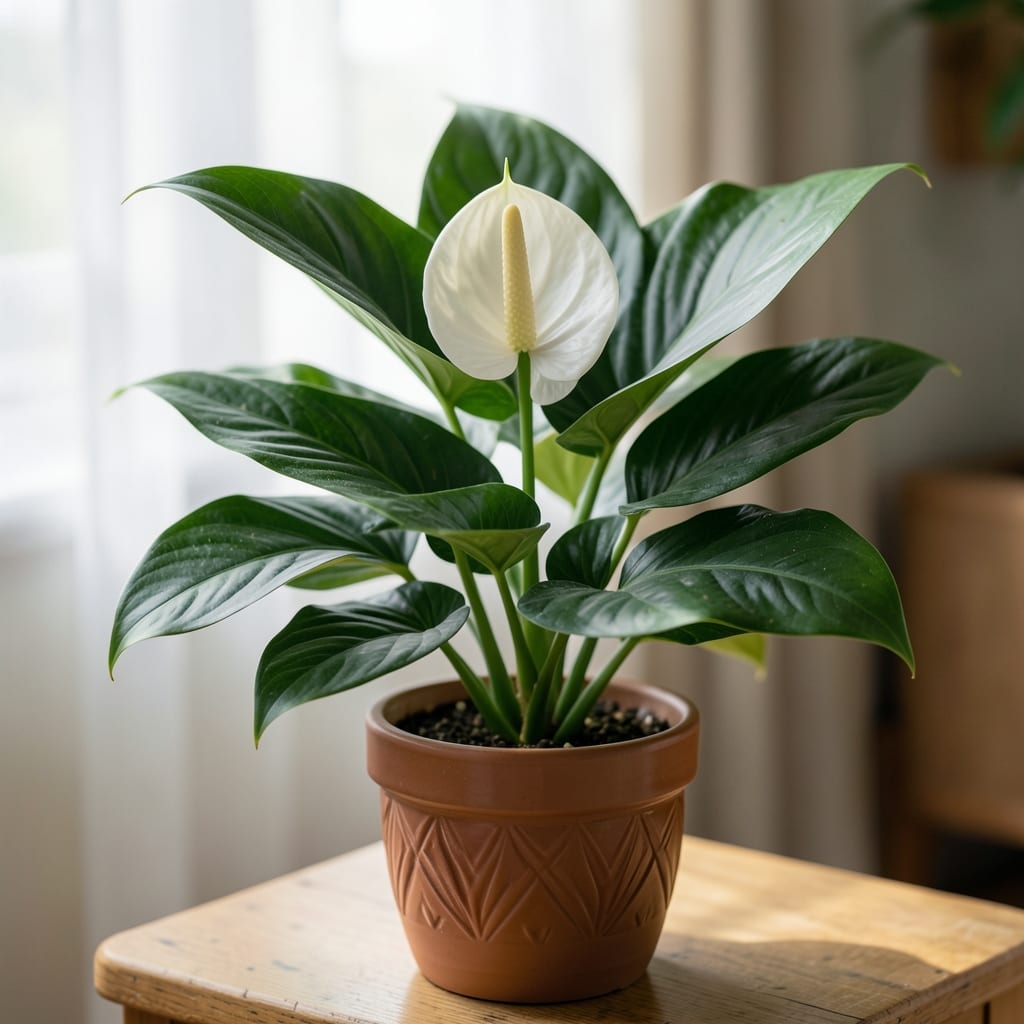
If you're wondering how much light does a peace lily plant need, you might be overcomplicating its care. The truth? This popular houseplant isn’t just low-light tolerant—it actually thrives in conditions most plants would struggle with. But how much light is just right? And what happens when you get it wrong?
Many gardeners assume peace lilies are happy in any dim corner, but there’s a sweet spot where they grow their lushest. Too little light, and you’ll notice drooping leaves or sparse blooms. Too much direct sun, and those beautiful leaves can scorch. The key is understanding how to balance indirect brightness with its natural shade preferences.
In this guide, I’ll break down exactly how much light your peace lily needs—whether you’re dealing with a north-facing window or a cozy corner office. You’ll learn how to spot signs of light stress, where to place your plant for optimal growth, and even how to adjust for seasonal changes. Let’s get your peace lily back to its happiest, healthiest self!
Whether you’re a beginner or a seasoned plant parent, these insights will help you master the art of peace lily care. No more guessing—just lush, thriving foliage year-round.

Peace lily light requirements: the ideal balance for healthy growth
Peace lilies (Spathiphyllum) are famous for thriving in spaces where other plants fail, but their light needs aren’t as flexible as you might think. While they tolerate low-light conditions, they actually grow best with bright indirect light. Think of it like a shady forest floor with dappled sunlight filtering through leaves—this mimics their natural habitat.
The ideal light range for a peace lily falls between 10,000 to 20,000 lux (about 2-4 hours of filtered sunlight daily). This is roughly the light level you’d find 1-3 feet from a north-facing window. South-facing windows can work too, but only if you place the plant 6+ feet away to avoid direct sun.
Here’s the key distinction: Low light (like a dim corner) will keep your peace lily alive, but it won’t bloom or grow vigorously. On the flip side, direct sunlight—especially midday rays—can scorch those glossy leaves, leaving brown patches or crispy edges. The goal is to strike that balanced middle ground where the plant stays lush and productive.
Seasonal adjustments are crucial. In summer months, when sunlight is intense, your peace lily may need to be moved further from windows or behind a sheer curtain. Conversely, winter’s weaker light might require supplementing with a grow light (more on this later) to prevent leggy growth or sparse foliage.
The plant’s leaves are your best indicator of whether it’s getting the right light. Healthy leaves should be deep green and glossy, with occasional white blooms signaling happiness. If you notice yellowing leaves or stunted growth, it’s likely craving more light. But if the tips turn brown and crispy, you’ve got too much direct sun.
| Light Condition | Ideal Placement | Signs of Stress | Solution |
|---|---|---|---|
| Low Light (<10,000 lux) | Dim corners, north-facing windows (deep in room) | Yellowing leaves, leggy stems, no blooms | Move closer to a window or add grow light |
| Bright Indirect (10,000-20,000 lux) | 1-3 ft from north window, 6+ ft from south window | Healthy dark green leaves, occasional blooms | Perfect! Rotate plant weekly for even growth |
| Direct Sun (>20,000 lux) | South/west windows without filter, sunny spots | Brown leaf tips, wilting, sunburn spots | Move to indirect light or add sheer curtain |
Understanding your home’s light dynamics is half the battle. For example, a north-facing window provides consistent, gentle light all day, making it the best spot for peace lilies. A west-facing window, however, can deliver harsh afternoon sun—so if that’s your only option, use a light-colored curtain to diffuse the rays.
Pro tip: If you’re unsure about your space’s light levels, use a light meter app (many are free) to measure lux levels. Aim for the 10,000-20,000 lux range for optimal growth. If you’re in a super dim apartment, a LED grow light (like a 6500K bulb) for 12-14 hours daily can mimic natural light cycles and keep your peace lily thriving.
Remember, peace lilies are adaptable, but they’re not indestructible. Small adjustments—like rotating the plant quarter-turns every week—ensure even light exposure and prevent lopsided growth. With the right balance, your peace lily will reward you with glossy leaves and those iconic white blooms year-round.
Let’s talk about what happens when you get it wrong—because even the best intentions can lead to light-related stress. In the next section, I’ll show you how to spot subtle signs your peace lily is begging for more (or less) light, and exactly how to fix it.
Peace lily light requirements: the ideal balance for healthy growth
Your peace lily thrives in bright, indirect light, making it perfect for homes with limited natural sunlight. Unlike sun-hungry plants, peace lilies prefer filtered light—think dappled shade or the soft glow of a north-facing window. In fact, they can tolerate as little as 2-4 hours of indirect light daily, though they’ll grow more vigorously with more exposure.
The key is avoiding direct sunlight, which can scorch those velvety leaves. Even east- or west-facing windows can work if you place your plant 3-6 feet away from the glass. South-facing windows? Use sheer curtains to diffuse harsh rays. This balance ensures your peace lily stays lush without risking leaf burn.
🌿
| Light Condition | Ideal Hours/Day | Plant Response |
|---|---|---|
| Bright Indirect Light | 4-6 hours | Healthy growth, glossy leaves, frequent blooms |
| Low Light (e.g., corners) | 2-4 hours | Survives but grows slowly, sparse blooms |
| Direct Sunlight | >2 hours | Leaf scorch, yellowing, crispy edges |
Seasonal changes can shift your peace lily’s light needs. In summer, when sunlight is intense, move it further from windows or add a sheer curtain. During winter, when daylight fades early, supplement with a grow light (12-14 hours/day) if natural light drops below 2 hours. This mimics the plant’s natural tropical habitat, where light is diffused by canopy leaves.
Pro tip: Rotate your peace lily quarter-turns every 2 weeks to ensure even growth. Uneven light exposure can cause lopsided foliage, but this simple habit keeps your plant balanced and bushy. Even in low-light spots, this rotation helps prevent leggy stems—a common sign of light deprivation.
If you’re unsure whether your space meets the ideal light conditions, try the "shadow test": Place a white sheet near your peace lily during peak sunlight hours. If the shadow is sharp and dark, the light is too direct. If it’s soft and faint, you’ve found the perfect spot!
🪴