
Light Requirements
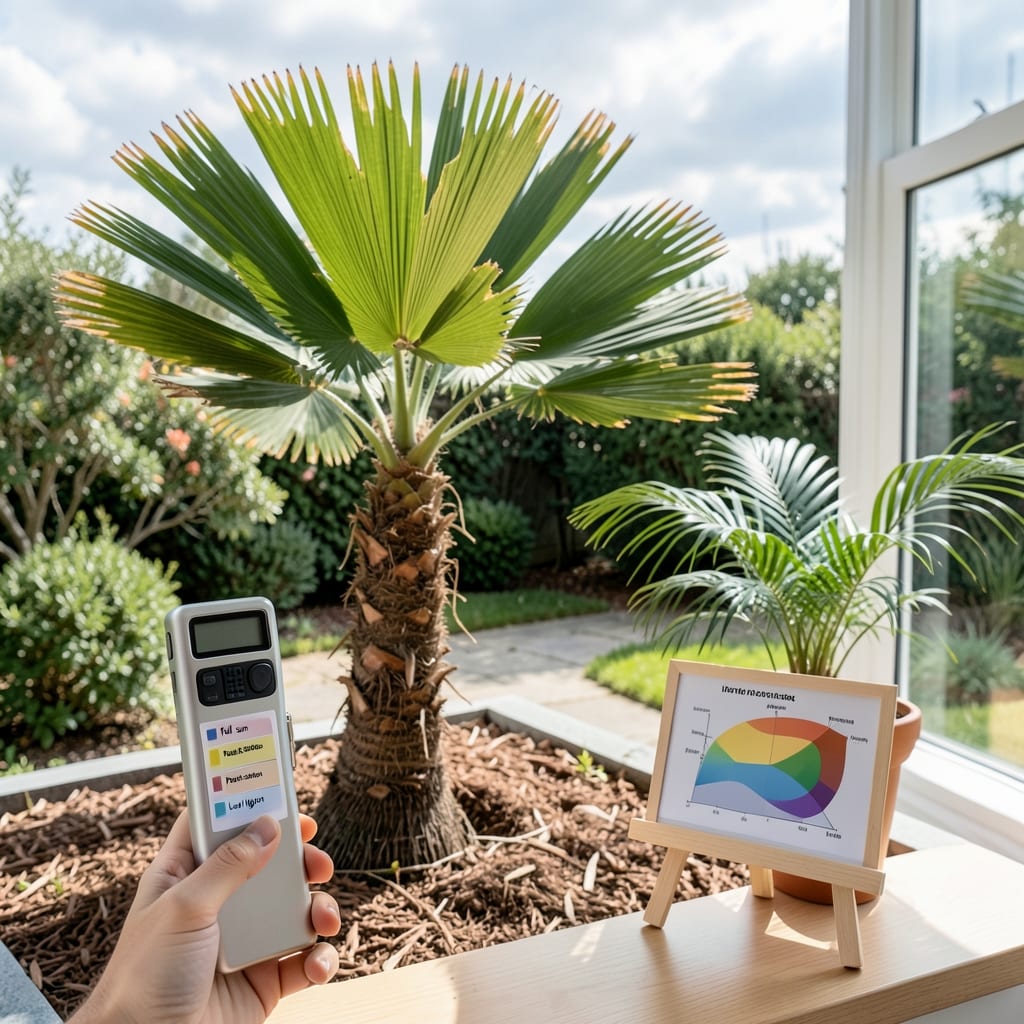
If you’re wondering how much light does a palm plant need to thrive, the answer might surprise you—because your 🌴 palm’s droopy, sad appearance could be a sign of lighting gone wrong. Most people assume palms just need "lots of sun," but the truth is far more nuanced—and getting it wrong can mean the difference between lush fronds and limp disappointment.
I’ve watched countless palms struggle because their owners either smothered them in harsh sunlight or tucked them away in dim corners. The good news? With the right approach, you can create the perfect balance for your palm’s specific needs. Whether you’re dealing with a delicate indoor variety or a hardy outdoor specimen, understanding their light requirements is the key to keeping them healthy and happy.
Some palms thrive in bright, indirect light, while others bask in full sun without a care. Others still? They’ll turn into a crispy mess if you don’t adjust their placement. In this guide, I’ll break down exactly how much light different palm varieties need—so you can finally stop guessing and start growing.
You’ll learn how to spot signs of over- or under-lighting, where to place your palm for optimal growth, and which varieties are best suited for your home or garden. Let’s get your palm back on track to becoming the stunning centerpiece it’s meant to be!


Palm plant light requirements by variety: sun vs shade needs
Not all palm plants are created equal when it comes to light. Some varieties, like the Majesty Palm, crave bright, indirect light, while others, such as the Canary Island Date Palm, can handle full sun without wilting. The key is understanding your specific palm’s tolerance level to avoid common mistakes like sunburned fronds or stunted growth.
I’ve noticed that gardeners often assume palms need full sun, but many indoor varieties actually prefer filtered light. For example, the Parlor Palm thrives in low to medium light, making it perfect for offices or north-facing rooms. Meanwhile, outdoor palms like the Pygmy Date Palm can take direct sunlight for hours without issue.
Let’s break down the light needs for popular palm varieties so you can match your palm to its ideal environment. Whether you’re dealing with an indoor plant or an outdoor specimen, knowing these requirements will help you create the perfect growing conditions.
🌱 Key Takeaway: Most palms fall into three categories: low-light tolerant, medium-light adaptable, or full-sun lovers. Choosing the right palm for your space is the first step to success.
| Variety | Ideal Light Conditions | Indoor Placement | Outdoor Placement | Signs of Over-Exposure |
|---|---|---|---|---|
| Areca Palm | Bright, indirect light | East or west window | Partial shade | Brown leaf tips |
| Kentia Palm | Low to medium light | North window or 10+ ft from bright window | Dappled shade | Yellowing fronds |
| Majesty Palm | Bright, indirect light | South or west window with sheer curtain | Partial shade to morning sun | Crispy leaf edges |
| Parlor Palm | Low to medium light | Any room, even bathrooms | Full shade | Leggy growth |
| Canary Island Date Palm | Full sun | Grow lights or very bright window | Full sun exposure | Bleached fronds |
| Pygmy Date Palm | Full sun to partial shade | South-facing window | Full sun to partial shade | Sunburned patches |
| Bismarck Palm | Bright, indirect light | East or west window | Partial shade | Drooping fronds |
If you’re unsure which category your palm falls into, start by observing its current environment. For example, if your Majesty Palm is developing brown leaf tips, it’s likely getting too much direct sunlight. Move it to a spot with filtered light or add a sheer curtain to diffuse the intensity.
For outdoor palms, pay attention to the time of day. Morning sun is generally safer than harsh afternoon rays, which can scorch delicate fronds. If you notice your palm’s leaves turning yellow or crispy, it’s a clear sign of over-exposure.
Conversely, if your palm is growing slowly or developing pale, sparse fronds, it’s not getting enough light. In this case, consider supplementing with a grow light or relocating it to a brighter spot. The goal is to find that sweet
Palm plant light requirements by variety: sun vs shade needs
Not all palms are created equal when it comes to light—some thrive in bright, indirect sunlight while others crave full sun exposure. The Areca palm, for example, loves bright light but can’t handle harsh afternoon rays, while the Canary Island date palm will happily soak up direct sun all day. Understanding these differences is key to preventing common issues like yellow fronds or slow growth.
Indoor palms often struggle because most homes don’t provide enough natural light. A south-facing window is ideal for many varieties, but if your space only gets low light, you’ll need to choose shade-tolerant species like the Kentia palm or Parlor palm. Outdoor palms, on the other hand, can handle more intensity—but even they need protection from scorching midday sun in hot climates.
🌴 Palm Light Requirements Comparison
| Variety | Ideal Light | Tolerance | Best For |
|---|---|---|---|
| Areca Palm | Bright, indirect | Low to medium | Indoor living rooms |
| Kentia Palm | Low to medium | Very high | Offices, dim corners |
| Majesty Palm | Medium to bright | Medium | Conservatories, patios |
| Parlor Palm | Low to medium | Very high | Bedrooms, hallways |
| Canary Island Date Palm | Full sun | High | Outdoor landscapes |
If you’re unsure about your palm’s light needs, start by observing its current location. Is it placed near a west-facing window where it gets harsh afternoon light? That could be too intense for indoor palms like the Lady Palm. Conversely, if your palm is tucked away in a north-facing room, it’s likely not getting enough light—especially if the fronds are stretching upward toward the window.
For outdoor palms, consider your USDA hardiness zone. In Zone 9 or higher, most palms can handle full sun, but in cooler zones like Zone 7 or 8, they’ll need protection from frost and intense midday rays. A simple trick? Use a light-colored shade cloth (30-50% block) to filter harsh sunlight while still allowing plenty of light through.
Pro tip: Rotate your palm quarter-turns every few weeks to ensure even light exposure. This prevents one side from getting too much sun while the other stays in the shade. And if you notice brown tips or crispy fronds, it’s a clear sign your palm is getting too much direct sunlight—move it to a slightly shadier spot immediately.
Remember, the goal is balanced light exposure. Too little, and your palm will struggle to grow; too much, and it’ll burn. With the right placement, your palm will reward you with vibrant green fronds and a healthy, tropical look all year round. 🌿