
Companion Plants
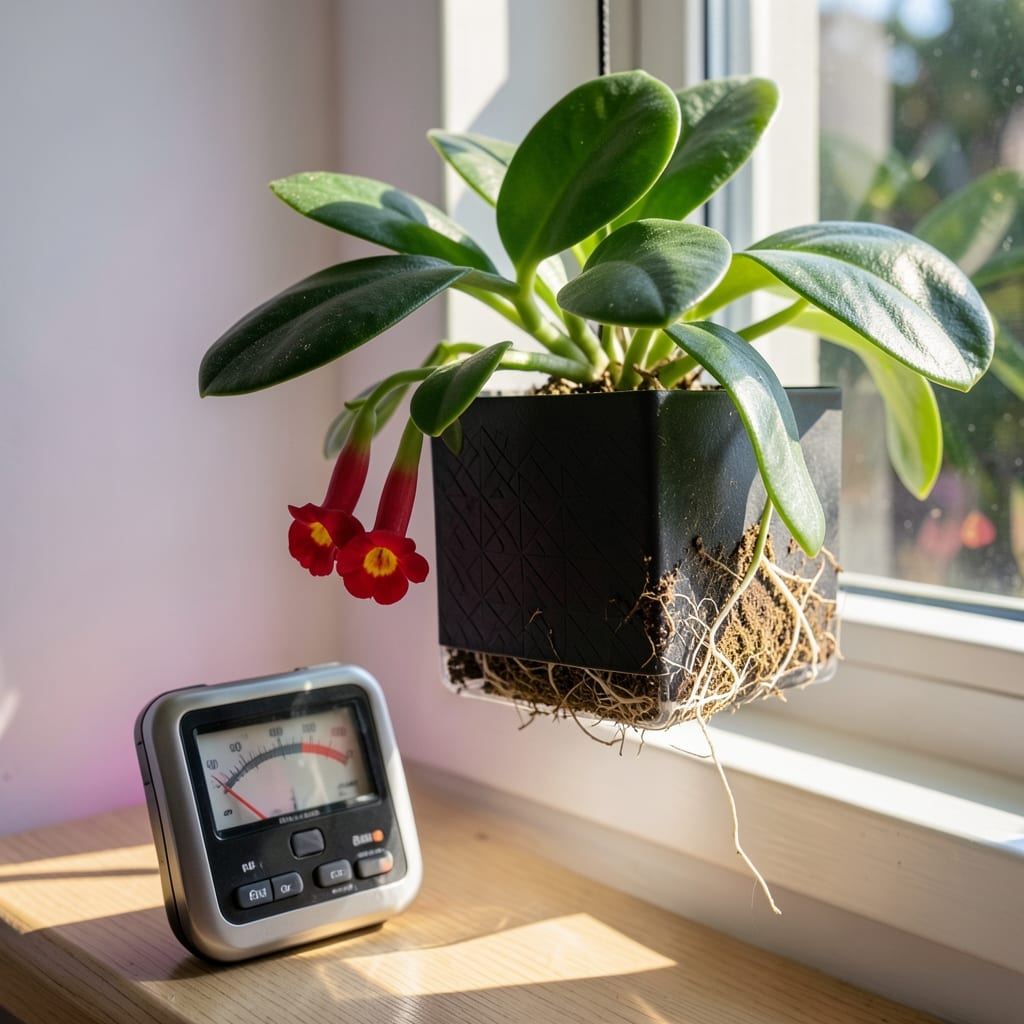
If you’re wondering how much light does a Lipstick Plant need, the answer is simple: it craves bright indirect light—but too much or too little can turn your once-vibrant plant into a sad, leggy stalk. This stunning beauty thrives in conditions where sunlight filters gently, like a cozy café bathed in soft, diffused rays. Too little light, and you’ll watch its blooms vanish faster than your motivation to garden. Too much direct sun? Say hello to crispy edges and faded foliage. Most gardeners assume "more light is better," but for the Lipstick Plant, the key is finding that sweet spot—like a cozy café where the sun filters through sheer curtains. I’ve learned the hard way that even a few hours of harsh afternoon rays can stress this tropical beauty. The solution? Position it near an east- or west-facing window where it gets 4-6 hours of dappled sunlight daily. For indoor growers, this means no south-facing windows without a sheer curtain—unless you want to turn your plant into a science experiment. In this guide, I’ll show you exactly how to spot light stress, adjust your setup for indoor vs. outdoor growing, and keep your Lipstick Plant flowering like a pro. Let’s get those red blooms back where they belong!

Ideal light requirements for lipstick plants: bright indirect sunlight explained
Your lipstick plant (Aeschynanthus radicans) thrives in bright indirect sunlight, mimicking its natural understory habitat in tropical forests. Without the right light, you’ll see leggy stems and sparse blooms—common mistakes even experienced gardeners make. Think of it like Goldilocks: not too dim, not too harsh, but just right.
The perfect light intensity falls between 500-1000 foot-candles, which you’ll find near east or west-facing windows with sheer curtains. South-facing windows can work, but only if you filter the light with a sheer curtain or sheer fabric. Direct midday sun is a no-go—it burns delicate leaves faster than you can say "wilting."
Here’s the light spectrum breakdown your plant craves: Morning sun (8-10 AM) = Safe and gentle Afternoon sun (2-4 PM) = Tolerable with filtering Midday sun (10 AM-2 PM) = Danger zone (avoid!) Overcast days = Ideal for low-light tolerance
| Light Condition | Foot-Candles | Ideal Placement | Plant Response |
|---|---|---|---|
| Bright Indirect | 500-1000 | East/West window, 2-3 ft away | Vibrant growth, frequent blooms |
| Low Light | <100 | North window or room corner | Leggy stems, few flowers |
| Direct Sun | >1000 | South window without filter | Brown leaf edges, scorched tips |
Watch for these light stress signals—they’re your plant’s way of screaming for help. Yellowing leaves mean too much direct sun, while weak, stretched stems scream "I need more light!" Even failed blooms can trace back to inconsistent light exposure. Rotate your plant quarter-turn weekly to ensure even growth and prevent lopsided development.
Pro tip: Use a DIY light meter by holding your phone’s camera up to a white sheet of paper near your plant. If the exposure reads f/8-f/11, you’re in the sweet spot. For indoor growers, LED grow lights (2700K-6500K spectrum) work wonders—just keep them 12-18 inches away for 12-14 hours daily.
Outdoor gardeners can place lipstick plants in partial shade gardens under tall trees or on porches with afternoon shade. Just avoid reflective surfaces like glass or concrete, which amplify harmful UV rays. If your plant starts dropping leaves, it’s begging for immediate shade relocation—move it to a spot with dappled sunlight for recovery.
Seasonal adjustments matter too. In summer, your lipstick plant may need extra filtering (try a sheer curtain or sheer fabric). In winter, supplement with a grow light if natural light drops below 300 foot-candles. Consistency is key—sudden light changes shock the plant more than steady conditions.
Remember: Healthy leaves = happy blooms. When your lipstick plant gets the right light, you’ll see glossy green leaves and vibrant red flowers year-round. Start with bright indirect light, monitor for stress signs, and adjust gradually. Your plant will thank you with lush growth and show-stopping blooms! 🌸
Ideal light requirements for lipstick plants: bright indirect sunlight explained
The lipstick plant (Aeschynanthus radicans) thrives in bright indirect light, mimicking its natural tropical understory habitat. Think of it like a plant that loves morning coffee on a sunlit patio—enough light to spark energy, but never the harsh midday glare. Without this balance, your plant will either stretch painfully toward the light (called etiolation) or develop crispy, sunburned edges. The sweet spot is 500-1,000 foot-candles of light, roughly equivalent to a spot 2-3 feet from an east- or west-facing window with sheer curtains filtering the rays.
To visualize this, imagine placing your plant where it gets 4-6 hours of filtered sunlight daily, like between 8 AM and 2 PM. South-facing windows are a no-go unless you’ve got a sheer curtain or UV-blocking film—direct midday sun (12 PM–3 PM) is the enemy. Even a few hours of unfiltered rays can cause leaf bleaching or scorch marks, turning those lush green leaves into sad, patchy brown. I once had a lipstick plant near a south window that looked like it had been kissed by a blowtorch—never again!
Here’s how to test your space: Hold a piece of white paper near your plant’s spot for a few hours. If the paper gets noticeably darker but not scorched, you’ve hit the light sweet spot. If it’s barely darkened, your plant needs more light. If it’s yellowed or crispy, move it back or add shade. Pro tip: Rotate your plant quarter-turns weekly to ensure even growth—those stunning red blooms should face all directions, not just one!
| Light Condition | Foot-Candles | Ideal Window | Plant Response |
|---|---|---|---|
| Bright Indirect | 500-1,000 | East/West | Vibrant growth, frequent blooms |
| Low Light | <100 | North-facing | Leggy stems, sparse blooms |
| Direct Sun | >1,500 | South-facing | Burnt leaves, stunted growth |
Outdoor growers get a bonus: your lipstick plant can handle partial shade outdoors, especially in hot climates. Place it under dappled shade from trees or on a porch with afternoon shade. I’ve seen mine thrive in morning sun + afternoon shade during summer, producing bold red blooms that last for months. Just avoid full shade—your plant will reward you with leggy, weak stems and few flowers. Think of it like a diva: give it just enough spotlight to shine, but not so much it fades.
Watch for these red flags that your light setup is off:
- Yellowing leaves = Too much direct sun
- Stretched stems = Not enough light
- No blooms = Light is too low
- Brown patches = Sunburn
Remember, the goal is to mimic the tropical understory where this plant naturally grows—bright but filtered light. With the right setup, your lipstick plant will reward you with year-round blooms and lush foliage that’s the envy of every plant lover. Now go find that perfect sunny-nook spot! 🌸