
Light Requirements
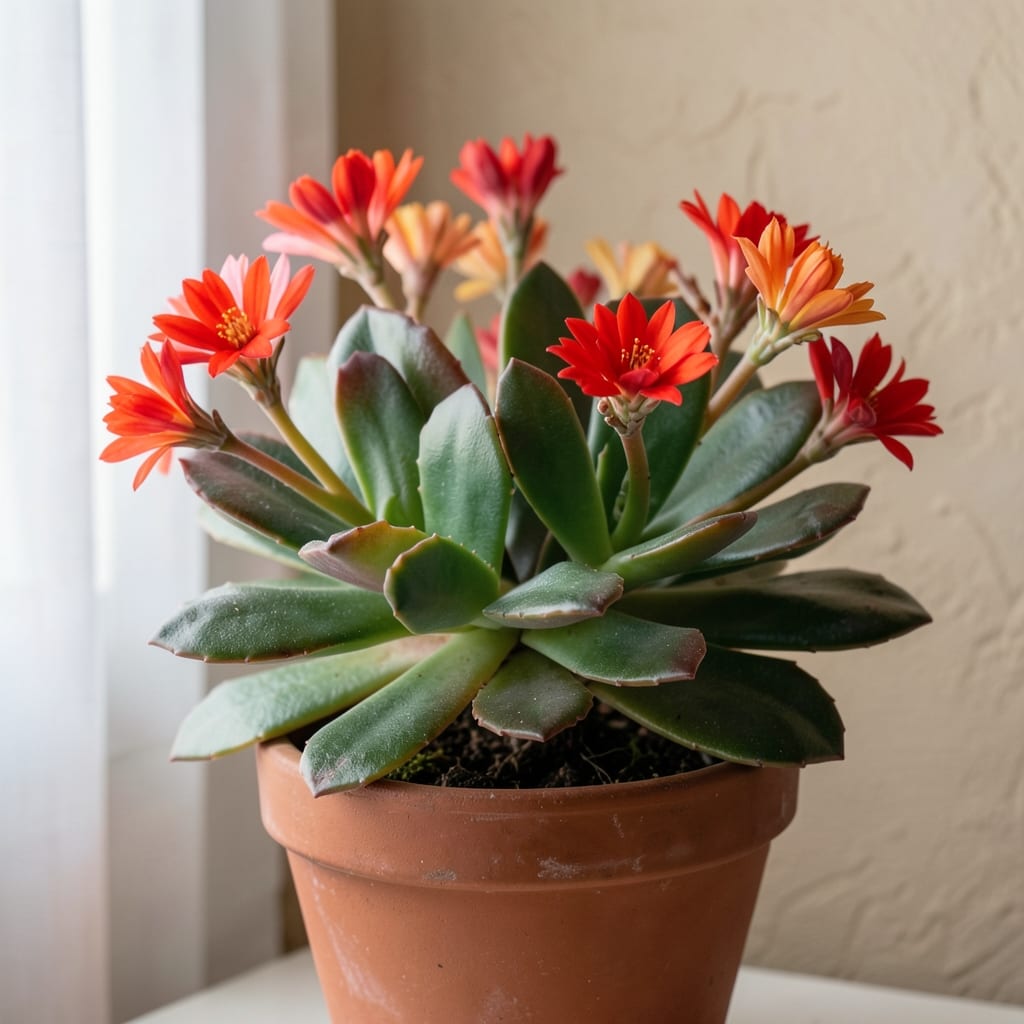
If you’re wondering how much light does a Kalanchoe plant need, the answer is simpler than you think—and fixing it could transform your plant from sad to stunning. This hardy succulent thrives on bright indirect light, but too little or too much can turn its leaves dull or crispy. The secret lies in mimicking its natural habitat with the right balance of sunlight exposure.
Most gardeners overthink it, but 4-6 hours of bright, filtered light daily is all your Kalanchoe needs to stay happy. Whether you’re dealing with a north-facing window or harsh afternoon sun, small adjustments can make a world of difference. Let’s break down exactly how to give your plant the perfect light conditions without guessing.
You’ll learn how to spot the subtle signs of under- or over-lighting—like stretched stems or sunburned edges—and what to do about them. Plus, I’ll share my go-to tricks for supplementing light when natural sources fall short, so your Kalanchoe blooms reliably all year round.
No more wilting leaves or missed blooms—just a thriving, show-stopping plant that’s the envy of every room. Ready to unlock the secrets to Kalanchoe success? Let’s get started.

Kalanchoe light requirements: the perfect balance of bright indirect sun
If you’ve ever watched your Kalanchoe stretch toward the window like a sun-worshipper or drop its blooms prematurely, the issue likely boils down to light exposure. Unlike sun-loving succulents, Kalanchoes thrive in bright indirect light—a delicate balance most gardeners struggle to nail. Too little, and your plant becomes a leggy shadow of its potential; too much, and it crisps like overcooked bacon (though we’d never compare plants to cooking—gardening purists unite!).
The ideal light duration for Kalanchoes is 4-6 hours of bright, filtered sunlight daily. Think of it as a sunbathing session with SPF 30—enough to nourish but not scorch. This preference explains why they flourish near south-facing windows in homes or under dappled shade outdoors. The key is mimicking their natural Madagascar habitat, where they grow under canopy trees rather than in harsh direct sun.
Here’s the catch: Kalanchoe light needs shift with seasons. During summer months, they can handle 2-3 hours of morning sun (before 10 AM) plus bright indirect light the rest of the day. In winter, when natural light dims, supplement with grow lights or move them closer to the window to prevent etiolation (that sad, stretched-out growth).
Pro tip: Rotate your plant quarter-turns weekly to ensure even light exposure. This prevents one-sided growth and keeps those showy blooms symmetrical. I’ve seen Kalanchoes go from lopsided to picture-perfect in just two weeks with this simple habit.
Now, let’s break down the light requirements in a way that makes adjusting your plant’s environment effortless. The table below covers everything from daily duration to window placement, so you can diagnose and fix light issues like a pro.
| Light Condition | Daily Duration | Plant Response | Adjustment Tips | Best Window Orientation |
|---|---|---|---|---|
| Bright indirect light | 4-6 hours | Compact growth, vibrant blooms | Ideal for most homes; rotate weekly | East or south-facing |
| Direct morning sun | 2-3 hours (max) | Healthy but may scorch in afternoon | Move away after 10 AM | South or west-facing |
| Low light (north window) | <2 hours | Leggy, pale growth; no blooms | Add grow light 12-14 hrs/day | Avoid; supplement required |
| Harsh afternoon sun | >3 hours | Brown leaf tips, sunburn | Use sheer curtain; move indoors | West-facing (avoid direct exposure) |
| Winter light (short days) | Supplement to 10-12 hrs | Prevents dormancy; maintains blooms | Use LED grow light 6 inches away | Any bright window + supplement |
Notice how window orientation directly impacts your Kalanchoe’s health? A south-facing window is the gold standard for natural light, while west-facing windows can fry your plant’s leaves if left unchecked. I once had a Kalanchoe blossfeldiana with crispy edges after moving it to a west-facing spot—until I relented and placed a sheer curtain between them. The difference was night-and-day.
Seasonal adjustments are non-negotiable. In summer, your Kalanchoe might handle up to 4 hours of direct sun if it’s acclimated gradually, but afternoon sun is always risky. In winter, when days shorten, supplemental lighting becomes your best friend. A simple 10-watt LED grow bulb on a timer can work wonders for keeping your plant blooming year-round.
One common myth I hear is that Kalanchoes are low-light plants. Nothing could be further from the truth! While they tolerate indirect light, they thrive in bright conditions. The line between enough light and too much is razor-thin, which is why so many gardeners overcorrect by moving their plants to dark corners—only to watch them stretch toward the nearest light source like a zombie.
To test your Kalanchoe’s light conditions, perform this simple check: Hold your hand near the plant. If you can’t see your shadow clearly, the light is too diffuse. If the leaves feel hot to the touch after a few hours, you’ve got too much direct sun. The goal is bright but diffused—like standing under a light canopy on a sunny day.
Remember, the best light for Kalanchoe isn’t about intensity alone—it’s about consistency. A plant that gets 6
Signs your Kalanchoe isn't getting enough (or too much) light
Your Kalanchoe might look fine at first glance, but subtle clues reveal whether it’s basking in ideal light or struggling. The most obvious red flag is leggy growth, where stems stretch toward the nearest light source like a plant version of a sleep-deprived teenager. This etiolation happens when your Kalanchoe isn’t getting enough bright indirect light—typically less than 4 hours daily. I’ve seen plants double in height overnight when starved for light, their leaves turning pale and sparse.
Pay attention to leaf color next. Healthy Kalanchoe leaves should be deep green with slight succulent plumpness. If they’re yellowing or losing their vibrancy, it’s a cry for more light. But here’s the twist: white or reddish hues can also signal too much direct sun, especially if paired with crispy edges. Think of it like a sunburn—your plant is telling you it’s getting more sun than it can handle.
Blooming—or the lack thereof—is another tell-tale sign of light issues. A mature Kalanchoe should produce clusters of vibrant flowers every 6-8 weeks under ideal conditions. If your plant is skipping blooms entirely, it’s likely not getting enough bright indirect light. I once had a Kalanchoe blossfeldiana that refused to bloom until I moved it from a dim corner to a south-facing windowsill. Within three weeks, it was covered in pink blossoms.
Conversely, overlighting can cause premature leaf drop or brown patches that look like tiny sunburns. If your plant’s leaves feel hot to the touch after a few hours in the sun, it’s a clear sign of too much direct exposure. The fix? Move it further from the window or use a sheer curtain to diffuse the light. I learned this the hard way when my Kalanchoe tomentosa (panda plant) developed white, crispy patches after a summer afternoon in a west-facing window.
Don’t fall for the myth that Kalanchoes are low-light plants. While they’re more tolerant than many succulents, they’re not shade lovers. The brightest spot in your home (without direct afternoon sun) is their happy place. If you’re unsure, perform this quick test: Place your hand near the plant. If you can’t see a clear shadow, the light is too weak. If the leaves feel warm after a few hours, it’s too intense.
Here’s my pro tip for diagnosing light issues: Take a photo of your Kalanchoe from all sides and compare it to the symptoms above. If you spot two or more signs, it’s time to adjust its light environment. The good news? Kalanchoes are forgiving—small tweaks can turn a struggling plant into a blooming superstar in just a few weeks.