
Light Requirements
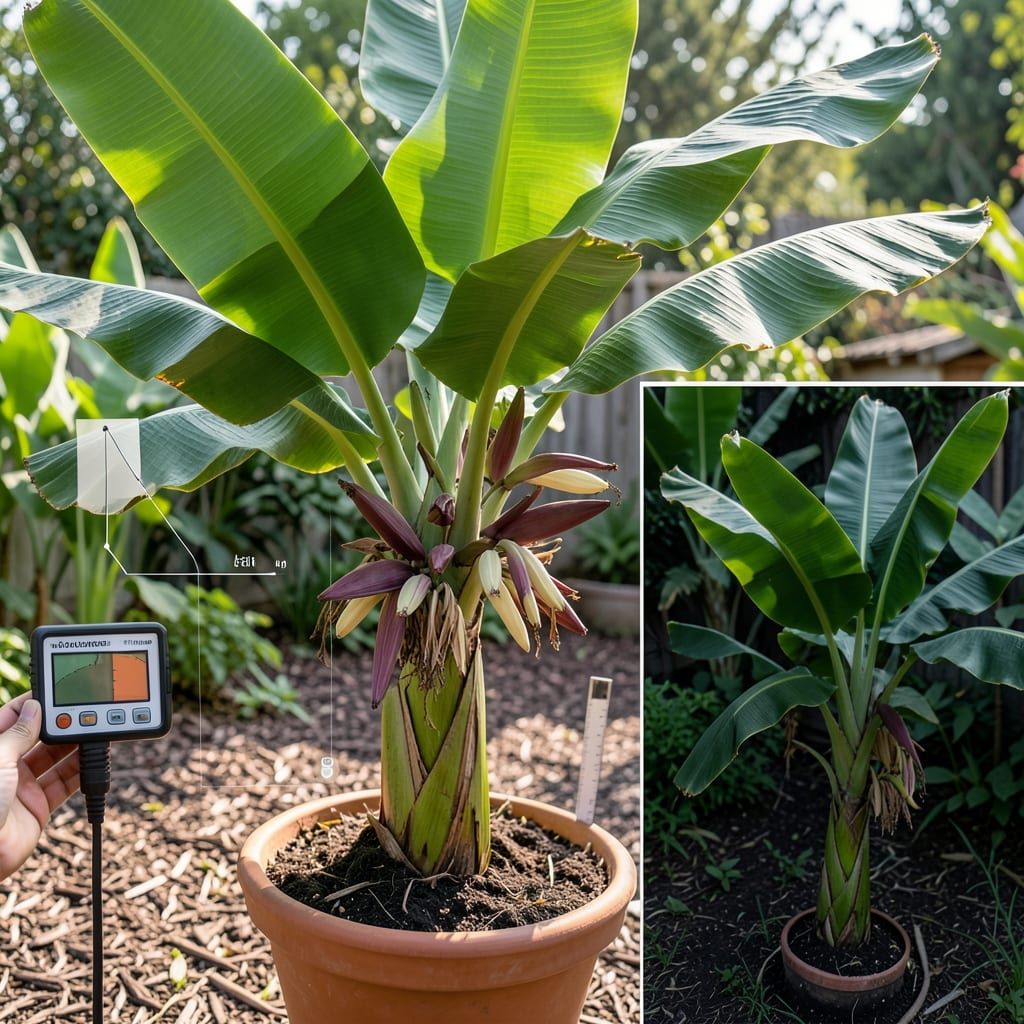
How much light does a banana plant need to grow strong and produce fruit? The answer isn’t as simple as "full sun"—some varieties actually prefer dappled shade, while others wilt without it. If you’ve ever watched your 🍌 leaves yellow or growth stall, you’re probably dealing with light-related stress, and the fix might be closer than you think.
Most banana plants crave 6 to 8 hours of direct sunlight daily, but tropical varieties like Cavendish thrive with even more, while shade-tolerant types (like some cooking bananas) can handle partial sun. The key is matching your plant’s needs to your climate—whether you’re in USDA zones 10-12 or growing in a container on a patio. Get this wrong, and you’ll end up with weak stems or no fruit at all.
Don’t assume "more light is always better"—overdoing it can scorch leaves, while too little slows growth to a crawl. I’ll break down exactly how to spot the signs of poor lighting and adjust your setup, whether you’re dealing with a sun-drenched balcony or a dim indoor corner. Ready to give your banana the perfect light conditions?
By the end, you’ll know how to position your plant for healthy growth, troubleshoot common mistakes, and even supplement light when nature falls short. Let’s get your 🍌 thriving!

Banana plant sunlight requirements by variety: full sun vs partial shade needs
Banana plants are sun worshippers, but not all varieties crave the same intensity of light. In their native tropical habitats, they bask under bright, direct sunlight for 10-12 hours daily. However, when growing banana plants in containers or cooler climates, their light needs adjust. The key is understanding how much sunlight each variety truly needs—some tolerate partial shade better than others.
For outdoor banana gardens in warm zones (USDA 10-12), most varieties thrive with 6-8 hours of direct sun. But if you're growing bananas in pots on a patio or indoors, you'll need to supplement with grow lights or choose shade-tolerant varieties. The difference between full sun and partial shade can mean the difference between a fruit-laden plant and a struggling specimen.
| Variety | Ideal Sunlight | Notes |
|---|---|---|
| Cavendish (Musa acuminata) | Full sun (8+ hours) | Most common commercial variety; needs intense light for fruiting |
| Lady Finger (Dwarf Cavendish) | Full sun (6-8 hours) | Compact size makes it great for containers; tolerates partial shade |
| Red Dacca (Musa velutina) | Partial shade (4-6 hours direct) | Ornamental variety; prefers filtered light to avoid leaf scorch |
| Ice Cream Banana (Musa acuminata 'Dwarf') | Full sun to partial shade (6 hours) | Edible but not for commercial use; versatile for containers |
| Bluggoe (Musa × paradisiaca) | Full sun (8+ hours) | Hardier than Cavendish; needs consistent sun for fruit development |
The Cavendish variety, the most popular for commercial growing, demands 8+ hours of direct sunlight daily to produce quality fruit. If you're growing this type in a container on a balcony, position it where it gets morning sun and afternoon shade during peak summer heat. Lady Finger bananas, on the other hand, are more adaptable and can handle 6-8 hours of sun, making them ideal for patio gardens in cooler climates.
For indoor banana plants, place them near a south-facing window where they can receive 4-6 hours of indirect sunlight. If your home lacks natural light, supplement with a grow light for 12-14 hours daily to mimic tropical conditions. LED grow lights with a full-spectrum bulb work best for promoting healthy leaf growth and fruiting.
One common misconception is that all banana plants need full sun. While most varieties prefer it, some like the Red Dacca banana (an ornamental variety) actually thrive in partial shade. This variety's striking red stems and leaves make it a favorite for shady garden spots, but it won't produce fruit without some direct light. Always check your specific variety's needs before planting.
If you're growing bananas in USDA zones 9 or below, you'll need to be extra mindful of sunlight. In these areas, banana plants are often grown as annuals or in containers that can be moved indoors during winter. For these plants, morning sun and afternoon shade is ideal to prevent leaf burn while still providing enough energy for growth.
Another key factor is the intensity of sunlight. In tropical regions, banana plants receive bright, diffuse light under a canopy of trees. If you're growing bananas in a full-sun yard in a hot climate, consider providing afternoon shade with a shade cloth (30-50%) to protect leaves from scorching. This is especially important for young banana plants still establishing their root systems.
For container-grown bananas, choose pots with a light-colored exterior to reflect excess heat. Dark containers absorb sunlight and can overheat the roots, leading to stress. Additionally, rotate your containers quarter-turns every few days to ensure even light exposure on all sides. This prevents the plant from leaning toward the light source and promotes balanced growth.
Remember, banana plants are heavy feeders, and their light needs are directly tied to their ability to photosynthesize and produce fruit. If you notice yellowing leaves or slow growth, it could be a sign of insufficient light. Conversely, brown leaf tips or crispy edges often indicate too much direct sun, especially in hot climates. Adjusting their light exposure is the first step toward reviving a struggling banana plant.
Signs your banana plant isn’t getting enough (or too much) light
If your banana plant’s leaves are turning yellow or developing brown crispy edges, it’s likely screaming for help with its light exposure. These are classic signs of light stress, and the fix depends on whether your plant is starved for sun or fried by too much. I’ve seen both extremes in my own garden—once, a Lady Finger variety nearly died from too much afternoon sun, while another wilted into a sad, leggy shadow in a dim corner.
Start by checking your plant’s leaf color and growth pattern. Pale, stretched leaves mean it’s begging for more sunlight, while crispy, white patches on leaves signal sunburn. Even the fruit quality suffers—too little light leads to small, seedy bananas, while too much can cause poor flavor development. The key is finding that sweet spot where leaves stay deep green and rigid, not floppy or scorched.
Banana plants already struggling with light issues are even more vulnerable to root rot when overwatered. If your plant’s leaves are yellowing, cut back on watering by 30% while you adjust its light exposure. Let the top 2 inches of soil dry out between waterings to prevent compounding stress.
For indoor growers, watch for leggy growth—long, weak stems with sparse leaves are a dead giveaway that your plant needs more bright light. Move it closer to a south-facing window or invest in a grow light (LED full-spectrum bulbs work best). In outdoor settings, afternoon shade can save your plant from leaf scorch, especially in hot climates like USDA zones 10-12.
Another red flag? Slow or no fruiting. Banana plants need plenty of sunlight to flower, and without it, they’ll just keep producing leaves instead of fruit. If your plant has been leafing out for months with no flower stalks, it’s time to relocate it to a sunnier spot. Even partial shade varieties like Red Dacca need at least 4-6 hours of direct sun to set fruit.
Don’t ignore leaf curl either—this can happen when temperature swings combine with poor light exposure. If your banana plant’s leaves are cupping or rolling inward, it might be struggling to photosynthesize efficiently. Try moving it to a more stable microclimate, like near a brick wall that absorbs heat during the day and releases it slowly.
Pro tip: Rotate your plant every few weeks to ensure even light exposure on all sides. Uneven growth (where one side is lush and the other is sparse) is a classic sign of favored light exposure. This simple trick helps prevent lopsided stems and ensures your plant grows strong and straight. With the right light balance, your banana will reward you with vibrant leaves and abundant fruit in no time!