
Size
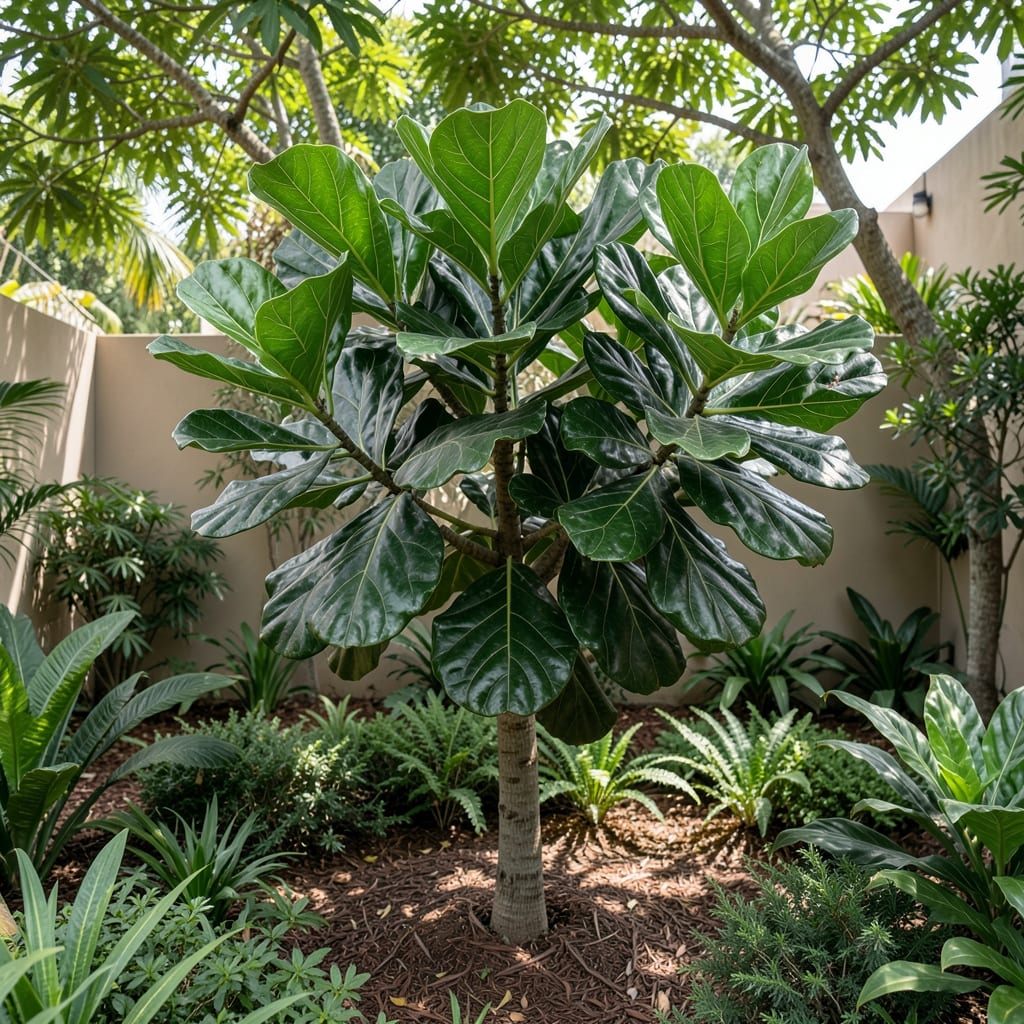
Fiddle leaf fig height by variety: expected growth limits and mature sizes
Your fiddle leaf fig (Ficus lyrata) might look like a tiny tabletop plant now, but its growth potential depends heavily on its variety and care. Without proper guidance, you could end up with a towering indoor tree that outgrows your space—or a stunted plant that never reaches its full potential. Let’s break down the expected heights by variety so you can plan accordingly.
Most fiddle leaf figs reach their mature height between 10 and 15 feet indoors, but some varieties stay shorter. The key factors influencing height are genetics, light exposure, and pruning habits. For example, the ‘Amstel’ variety tends to grow taller and faster than the ‘Rustic’ type, which often stays more compact. Understanding these differences helps you manage expectations and care.
Here’s a quick comparison of how different varieties grow over time. Remember, these are indoor growth estimates—outdoor conditions can push heights even higher, sometimes exceeding 20 feet in tropical climates. But since most of us grow them inside, we’ll focus on what to expect in homes.
| Variety | Mature Height (Indoors) | Growth Speed | Notes |
|---|---|---|---|
| Standard Ficus lyrata | 10–15 ft | Moderate | Most common variety; needs pruning to control height. |
| ‘Amstel’ | 12–18 ft | Fast | Variegated leaves; grows taller with strong light. |
| ‘Rustic’ | 8–12 ft | Slow to Moderate | Smaller leaves; stays bushier and shorter. |
| ‘Variegata’ | 10–14 ft | Moderate | Creamy-white variegation; needs bright light to maintain color. |
| ‘Little Miss Figgy’ (Dwarf) | 3–6 ft | Slow | Compact variety; ideal for small spaces. |
If you’re wondering how quickly your fiddle leaf fig will grow, here’s a general timeline for the standard variety under ideal conditions: In the first year, expect 2–3 feet of growth. By year two, it can shoot up another 2–3 feet, and by year three, it may reach 6–10 feet. After that, growth slows as the plant matures, but it can continue adding height for years.
One common misconception is that fiddle leaf figs grow faster outdoors. While it’s true they can reach 20+ feet in tropical climates, indoor growth is slower due to limited light and space. That said, providing bright indirect light and proper care can help your plant hit its height potential faster. Avoid placing it in low-light corners, as this will stunt its growth significantly.
Genetics also play a huge role. Some fiddle leaf figs inherit faster growth genes from their parents, while others stay smaller. If you bought your plant from a nursery, ask about its lineage—some sellers even label varieties with expected growth rates. This can save you from surprises down the line!
Another factor to consider is pot size. Fiddle leaf figs grow faster in larger pots because they have more room for roots to expand. If you’re growing yours in a small container, expect slower height growth until you repot. Aim for a pot that’s 2–3 inches larger in diameter than the current one every 2–3 years to support healthy vertical growth.
For those worried about their fiddle leaf fig becoming a ceiling monster, don’t panic! With regular pruning and proper light management, you can keep it at a manageable height. For example, pruning the top 2–3 inches of new growth every few months encourages bushier growth rather than a single tall stem. We’ll dive deeper into pruning techniques in the next section.
Finally, remember that height isn’t the only measure of success. A healthy fiddle leaf fig should have glossy, vibrant leaves and a sturdy trunk. If your plant is growing tall but dropping leaves or looking leggy, it might need more light or better care. Balance is key—aim for height control without sacrificing health.
How to control fiddle leaf fig height: pruning, light, and care tips for compact growth
Managing your fiddle leaf fig’s height isn’t just about patience—it’s about strategic care. With the right techniques, you can keep your plant at a desired height, whether you prefer a tall statement piece or a compact tabletop centerpiece. The key lies in pruning, light exposure, and soil/nutrient balance, all of which directly impact vertical growth.
Pruning is your most powerful tool for controlling height. When done correctly, it encourages bushier growth and prevents your plant from becoming a top-heavy tower. But timing and technique matter—cutting at the wrong time or in the wrong place can stress your fiddle leaf fig or even stunt its growth entirely. Let’s break down the exact steps to prune for compactness without sacrificing health.
| Care Strategy | Action | Result |
|---|---|---|
| Pruning | Cut 2-3 inches below a leaf node in spring/summer. | Encourages bushier growth, reduces height. |
| Light Exposure | Place in bright indirect light (6+ hours/day). | Slower vertical growth, denser foliage. |
| Pot Size | Use a smaller pot (1-2 inches larger than root ball). | Restricts root growth, limits height increase. |
| Fertilizer | Use a low-nitrogen fertilizer (5-5-5 NPK). | Promotes leaf growth over stem elongation. |
Light is another critical factor. While fiddle leaf figs thrive in bright indirect light, too much direct sunlight can cause rapid, leggy growth, making your plant stretch toward the light. Position your plant 2-3 feet from an east or west-facing window to maintain a balanced growth rate. If your home lacks natural light, supplement with a grow light for 12-14 hours daily to prevent slow, stretched growth.
Pot size plays a surprising role in height control. Fiddle leaf figs grow taller when root-bound, as they stretch to find more space. To keep your plant compact, repot only when necessary—typically every 2-3 years—and choose a pot that’s only 1-2 inches larger than the current root ball. This subtle adjustment can significantly slow vertical growth while maintaining overall health.
Finally, fertilizing smartly makes a difference. A balanced, low-nitrogen fertilizer (like 5-5-5 NPK) encourages leaf production over stem elongation. Avoid high-nitrogen fertilizers, which can lead to lush leaves but tall, weak stems. Feed your fiddle leaf fig every 4-6 weeks during spring and summer, then reduce feeding in fall and winter to support slower, more controlled growth.
With these strategies, you can shape your fiddle leaf fig’s height to fit your space—whether you want a floor-filling giant or a shelf-sized showstopper. Consistency is key, so monitor your plant’s response and adjust as needed. Your fiddle leaf fig will thank you with healthier growth and stunning foliage! 🌿