
Flowers
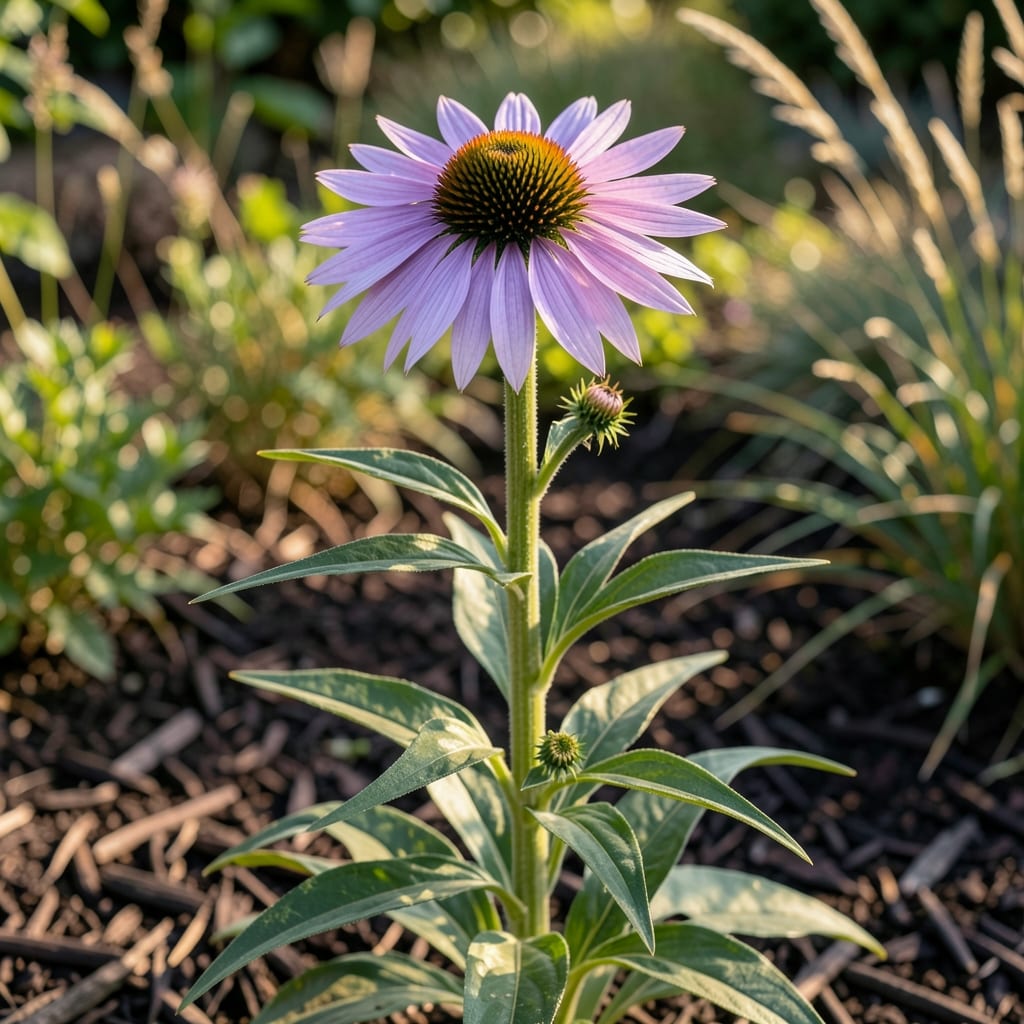
Wondering how tall do they grow for echinacea 🌸 in your garden? The answer depends more on the variety you choose than you might think—some stay compact while others reach towering heights, changing how you plan your flower beds entirely.
From the petite 'Green Envy' that tops out around 2 feet to the majestic 'Magnus' variety stretching toward 5 feet, echinacea offers options for every garden size. This flexibility makes it a favorite for both small containers and sprawling landscapes, but knowing the right height for your space is the key to happy plants and stunning displays.
What you’ll discover here is how sunlight, soil, and even pruning habits can influence your echinacea’s growth—plus which varieties thrive in tight spots versus open meadows. Let’s break down the numbers so you can pick the perfect purple powerhouse for your garden.
The best part? With the right care, even tall varieties stay sturdy and show-stopping—no flopping or fuss. Ready to find your ideal height match?

Echinacea plant height guide: varieties & their mature sizes
When planning your echinacea garden, knowing the height range of each variety is essential. Most echinacea plants mature between 1 and 5 feet, but the difference between a dwarf variety and a tall cultivar can change how you design your space. For example, 'Green Envy' stays compact at just 18–24 inches, while 'Magnus' can soar to 5 feet or taller.
These height variations aren’t just about aesthetics—they also influence sunlight exposure, watering needs, and even pollinator access. Taller varieties, like 'White Swan' (3–4 feet), create stunning vertical accents, while shorter types, such as 'Kim’s Knee High' (1–2 feet), work perfectly in containers or borders.
Here’s the key: soil quality and sunlight play huge roles in whether your echinacea hits its maximum height. Well-draining soil rich in organic matter encourages full growth, while poor soil or shade can stunt plants significantly. Even the tallest varieties need proper support—like staking or pruning—to avoid flopping in wind or rain.
If you’re designing a pollinator-friendly garden, taller echinacea varieties attract more bees and butterflies, but shorter ones still provide nectar without overwhelming smaller spaces. The choice depends on your garden’s layout and your personal style—whether you prefer a wildflower meadow or a structured perennial bed.
For first-year growth, expect echinacea to reach about half their mature height. This means a 'Magnus' plant might only hit 2–3 feet in its first season but will shoot up significantly in years two and three. Patience pays off—once established, echinacea forms deep roots that support robust growth.
If you’re growing echinacea in containers, choose dwarf varieties or prune taller types to keep them manageable. A 5-gallon pot works well for 'Green Envy', while 'Magnus' needs a 15-gallon container or larger to support its height. Always ensure pots have drainage holes to prevent root rot, which can stunt growth.
One common misconception is that all echinacea need full sun to reach their maximum height. While sunlight is critical, partial shade can still yield healthy plants—just expect slightly shorter stems. For example, 'Green Envy' might only reach 12–18 inches in shade, while 'Magnus' could max out at 3–4 feet instead of 5.
Pro tip: If you love the look of tall echinacea but have limited space, try pruning in early summer. Cutting back by one-third encourages bushier growth and prevents flopping. This technique works especially well for 'White Swan' and 'Cheyenne Spirit', keeping them compact without sacrificing blooms.
Whether you’re designing a cutting garden or a low-maintenance border, choosing the right echinacea height ensures your plants thrive—and your garden stays balanced. Now that you know the options, it’s time to pick your perfect purple powerhouse!
Echinacea plant height guide: varieties & their mature sizes
Choosing the right echinacea variety isn’t just about color—it’s about height. Some varieties stay under 2 feet, perfect for containers, while others reach 5 feet, making them statement pieces in borders or meadows. The key is matching your garden’s space to the plant’s mature size, so you avoid overcrowding or wasted room.
Here’s the truth: sunlight and soil quality play huge roles in final height, but variety is the biggest factor. For example, the 'Green Envy' variety rarely exceeds 2 feet, while 'Magnus' can stretch to 5 feet with ideal care. Let’s break down the most popular types so you can pick the perfect fit for your garden layout.
| Variety | Mature Height | Best For |
|---|---|---|
| 'Green Envy' | 1–2 ft | Containers, small gardens, borders |
| 'White Swan' | 2–3 ft | Cut flowers, cottage gardens, pollinator beds |
| 'Magnus' | 3–5 ft | Back of borders, meadows, tall flower arrangements |
| 'Hot Papaya' | 2–3 ft | Pollinator gardens, small spaces, colorful accents |
| 'Kim’s Knee High' | 1–2 ft | Containers, window boxes, urban gardens |
If you’re planning a pollinator garden, taller varieties like 'Magnus' attract more bees and butterflies, thanks to their prominent blooms. But for small gardens or containers, dwarf varieties like 'Green Envy' or 'Kim’s Knee High' shine by staying compact without sacrificing beauty.
Pro tip: Even tall varieties like 'Magnus' benefit from regular pruning to encourage bushier growth and prevent flopping. A quick trim after the first flush of blooms keeps them sturdy and encourages a second round of flowers later in the season.
Remember, height isn’t set in stone—proper soil drainage and sun exposure can help your echinacea reach its full potential. For example, well-draining soil with a pH of 6.0–7.0 ensures roots grow deep, supporting taller growth in varieties like 'White Swan'.
Now that you know the height ranges, you can confidently choose echinacea that fits your space—whether you’re dreaming of a dwarf variety for your patio or a tall centerpiece for your backyard meadow. The right variety isn’t just about height; it’s about creating the perfect garden drama.