
Size
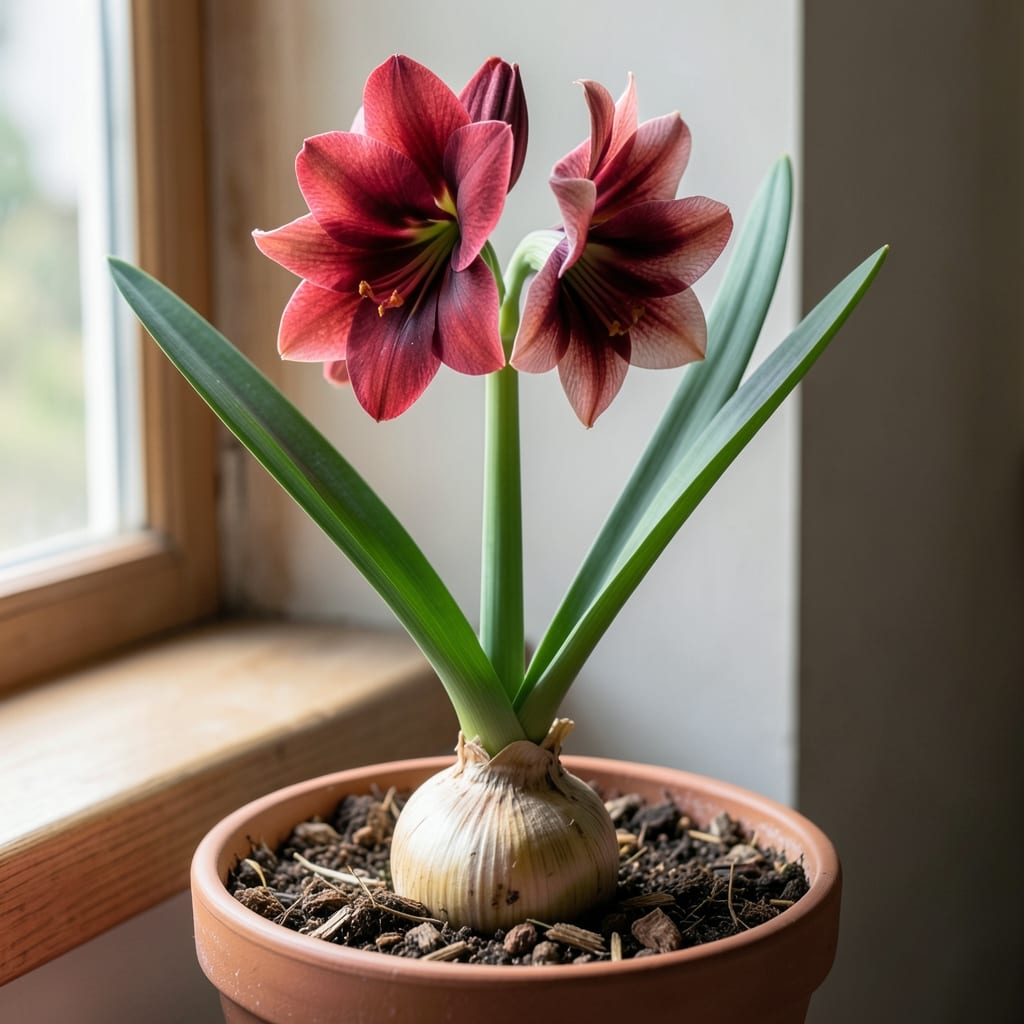
If you're asking "amaryllis how tall do they grow", you're not alone—many gardeners are surprised by how dramatically these plants can vary in size. Some amaryllis varieties stretch toward the ceiling like graceful skyscrapers, while others stay neatly compact, perfect for small spaces. The truth is, their height depends on the specific variety, care, and even where you grow them.
Most amaryllis plants reach heights between 1.5 to 2 feet for their flower stems, with foliage adding another 1 to 1.5 feet of lush green. But don’t let those numbers fool you—some dwarf varieties stay under a foot tall, while giants like the Red Lion can tower even higher. Whether you're dreaming of dramatic blooms or space-saving plants, understanding these differences is the key to picking the perfect amaryllis for your home.
What’s even more interesting is how care can influence their height. Too much light or fertilizer might encourage rapid growth, while proper pruning can keep them in check. If you’ve ever wondered why your neighbor’s amaryllis stays petite while yours reaches for the sky, the answer likely lies in these factors. Let’s break down exactly what to expect—and how to shape your plant’s growth to fit your space.
Ready to discover how to nurture your amaryllis for the perfect height? From choosing the right variety to adjusting care techniques, we’ll cover everything you need to know. Whether you’re working with a small apartment or a sunroom, you’ll learn how to get the most stunning (and manageable) blooms possible.

Amaryllis height guide: average growth ranges for popular varieties
Amaryllis plants—specifically those in the Hippeastrum genus—can vary wildly in height, with some varieties stretching toward 3 feet while others remain under 1 foot. The most common flower stems reach 1.5 to 2 feet, but the foliage adds another 12 to 18 inches of height. Understanding these differences helps you choose the right variety for your space and care goals.
For example, the Hippeastrum 'Red Lion' is a giant with towering stems, while Hippeastrum 'Mini Max' stays compact, perfect for small apartments. Even within standard varieties, height can shift based on care—like sunlight exposure or fertilizer use. Let’s explore the most popular types and their typical growth ranges.
🌱 Did You Know? The tallest recorded amaryllis stem reached nearly 4 feet, but this is rare and requires ideal growing conditions.
The flower stem height is what most gardeners notice first, but the foliage height also matters—especially if you’re growing amaryllis as a houseplant. For example, the Red Lion variety’s foliage alone can reach nearly 2 feet, making it a statement plant even without blooms. Meanwhile, Mini Max stays under 1 foot, ideal for desks or small shelves.
Outdoor cultivation can also affect height. Amaryllis grown in garden beds often develop slightly taller stems than those in containers, thanks to more space for root growth. However, if you live in a hot climate, excessive heat can stunt growth, while cooler temperatures may encourage taller stems.
If you’re wondering how to control amaryllis height, the key lies in light exposure and fertilizer use. Too much sunlight or nitrogen-rich fertilizer can lead to rapid, leggy growth. On the other hand, pruning the foliage after blooming can redirect energy and sometimes result in slightly shorter stems the following year.
For indoor growers, choosing the right pot size matters. A smaller container (like a 6-inch pot) will naturally limit root spread and keep the plant more compact, while a large pot (12+ inches) encourages taller growth. Always use well-draining soil to prevent root rot, which can weaken the plant and affect height.
🌿 Pro Tip: If your amaryllis starts to lean or wobble, it’s a sign it needs support. Use a small stake or cage to keep tall stems upright without damaging the plant.
Now that you know the height ranges for popular varieties, you can confidently select an amaryllis that fits your space—whether you want a dwarf variety for your coffee table or a giant cultivar to wow guests. Next, we’ll explore how to manage height through care techniques like pruning and light control.
How to control amaryllis height: pruning, light, and care tips
If you’ve ever watched your amaryllis stretch toward the ceiling like a skyscraper, you’re not alone. The good news? You can control amaryllis height with simple care adjustments. Whether you want a compact plant for your desk or a tall statement bloomer, understanding light, pruning, and container choices is key. Let’s dive into the best ways to shape your amaryllis to fit your space—without sacrificing those stunning blooms.
One of the biggest factors in height control is light exposure. Amaryllis thrive in bright indirect light, but too much direct sunlight—especially in hot climates—can cause rapid, leggy growth. Place your plant near an east or west-facing window for ideal conditions. If you notice stems stretching excessively toward the light, it’s time to adjust its position. Artificial grow lights can also help if natural light is limited, giving you more control over growth patterns.
💡 Tip: Rotate your pot quarter-turns weekly to ensure even light exposure. This prevents lopsided growth and keeps stems upright naturally.
- 🌱 Prune after blooming: Cut back 1/3 of the foliage after flowers fade to redirect energy to bulb storage, often resulting in shorter stems the next season.
- 🪴 Choose pot size: A smaller container (6-inch pot) limits root spread, keeping plants more compact, while larger pots (12+ inches) encourage taller growth.
- ☀️ Adjust light: Too much direct sun = taller, leggy stems. Use sheer curtains to diffuse harsh afternoon light.
- ✂️ Support tall stems: Use a small stake or cage to prevent leaning, especially for varieties like Red Lion that can reach 3 feet.
- 💧 Water wisely: Overwatering weakens stems. Let soil dry slightly between waterings to promote sturdier growth.
Pruning is another powerful tool to manage height. After your amaryllis blooms, you can trim the foliage to encourage a more compact plant the following year. Simply cut back 1/3 of the leaves once the flowers fade. This redirects energy to the bulb, often resulting in shorter stems when it blooms again. Just avoid cutting more than 1/3, or you risk weakening the plant for the next season.
For indoor growers, pot size plays a crucial role. A smaller pot (like a 6-inch container) restricts root growth, naturally keeping the plant more compact. If you’re growing a tall variety like the Parrot amaryllis, opt for a larger pot (12+ inches) to support its height. Always use well-draining soil to prevent root rot, which can stunt growth and weaken stems.
If your amaryllis starts to lean or wobble, it’s a sign it needs support. Tall varieties like Red Lion can reach 3 feet or more, making them prone to toppling. Insert a small bamboo stake or decorative cage near the stem to keep it upright. Avoid tying the stem too tightly—just enough to provide stability without restricting growth.
Finally, fertilizer choices can influence height. Too much nitrogen-rich fertilizer encourages rapid, leggy growth. Instead, use a balanced fertilizer (like 10-10-10) sparingly during the growing season. Over-fertilizing can lead to taller but weaker stems, so always follow the package instructions and avoid feeding during dormancy.
With these tips, you can shape your amaryllis to fit your space perfectly—whether you’re dreaming of a dwarf variety for your coffee table or a towering giant for your sunroom. Next, we’ll explore the best varieties for small spaces vs. statement blooms, so you can pick the perfect match for your home.